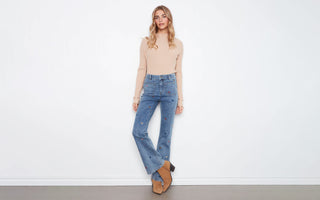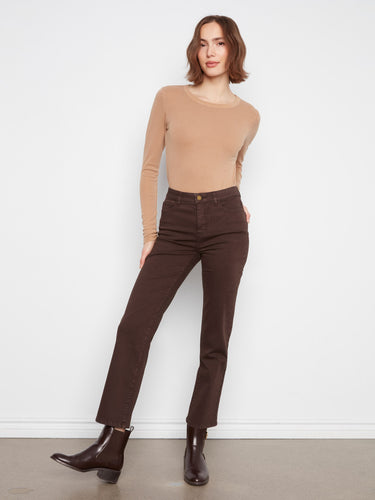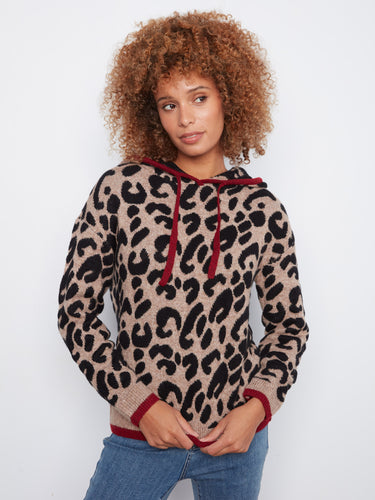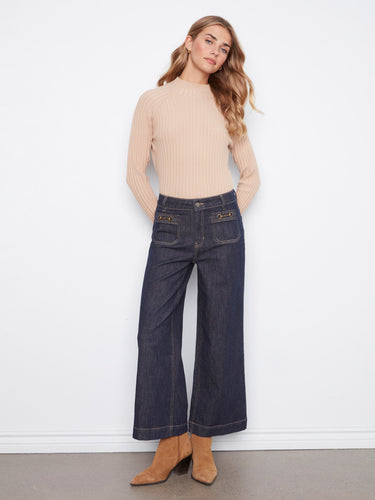

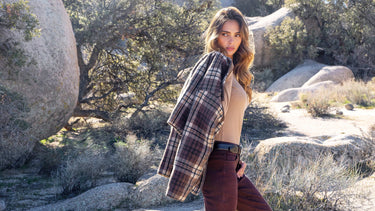
Knowing what to wear under a fall jacket is the difference between comfortable and overdressed by noon. Charlie B's fall collection is built around pieces that layer well together, and this guide breaks down each layer- base, mid, and outer- so the system works with a day's temperature swings rather than against them.
Start With a Breathable Base Layer
The layer closest to the skin should be thin and breathable. A fitted long-sleeve top or lightweight turtleneck is the best choice to wear under a fall jacket as the true first layer, not a thick cotton tee. Cotton absorbs moisture and cools the body rather than warming it, so a fine-gauge knit or a moisture-wicking fabric performs better here, giving the layers above it something stable and dry to build on.
Choosing the Right Mid Layer for Warmth
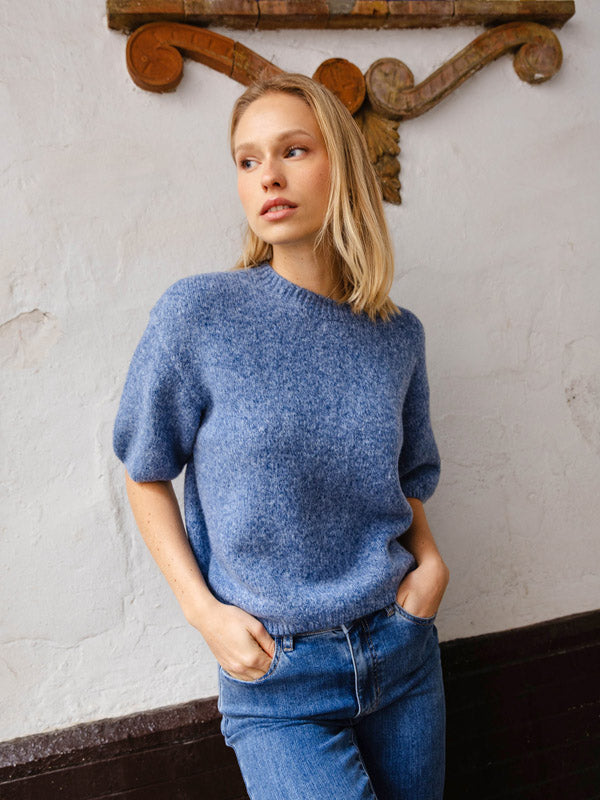
The mid layer is where most of the actual warmth comes from in a layered system. A medium-weight sweater or open-front cardigan adds insulation without much bulk, and a quilted vest works well when arm mobility matters more than full coverage. Keep the mid-layer close-fitting if the base layer underneath is already fitted, so the two pieces don't compete for space under the jacket and the whole system reads clean rather than stiff.
The Fabric Mistake That Undermines Every Layer
Thick cotton sweatshirts are a common mid-layer choice, but cotton absorbs moisture rather than moving it away from the body. Over the course of a day, that absorbed moisture makes the whole layering system feel colder rather than warmer. Swapping a cotton sweatshirt for a knit in a similar weight and silhouette keeps the same casual look while performing considerably better underneath a fall jacket when temperatures shift between morning and afternoon.
Proportion Rules So Layers Don't Look Bulky
A good fall jacket layering guide comes down to proportion before fabric. Each layer should sit slightly looser and slightly longer than the one underneath, rather than three pieces bunched at the same length and thickness. Keeping the base layer fitted and letting the jacket be the roomiest piece creates a graduated shape rather than a stiff, padded silhouette. Try the jacket on over the actual mid-layer before committing to a fit.
What to Wear Under a Quilted or Puffer Jacket
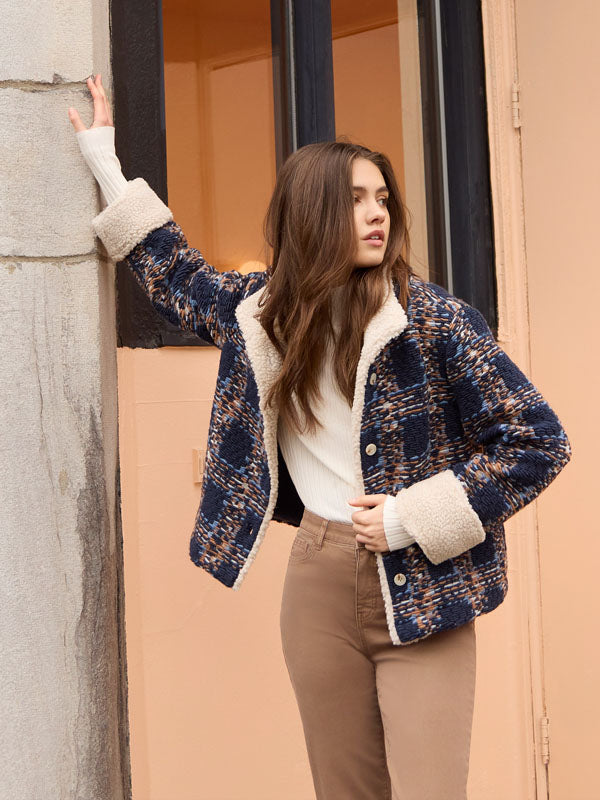
Quilted and puffer jackets are cut to accommodate a mid-layer, but a bulky sweater still compresses the insulation and pushes up the sleeves. Knowing what to wear under a fall jacket like this comes down to keeping the underlayer slim: a fitted knit or thin fleece keeps the jacket's shape intact and lets its own construction do the work of warmth. For full outfit ideas around quilted styles, see Charlie B's dedicated quilted jacket styling guide.
What to Wear Under a Wool Coat
Structured outerwear like a wool blend has less give than a quilted jacket, so a thinner mid-layer works better underneath it. A silk shell or a fine-knit sweater keeps the coat's clean line intact from shoulder to hem. Save chunkier knits for jackets with more built-in room, since a heavy sweater under a fitted trench will pull at the buttons and distort the silhouette rather than sitting cleanly beneath it.
Mixing Textures the Right Way
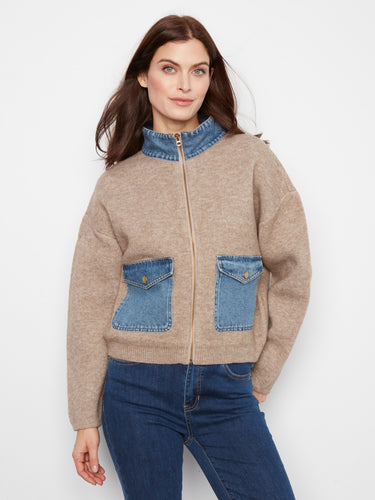
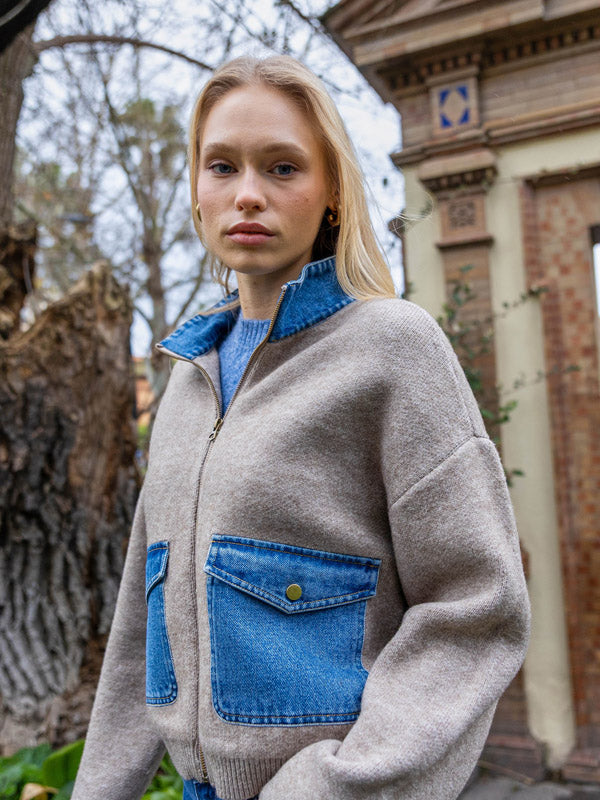
A denim jacket over a chunky knit, or a smooth blouse under a textured cardigan, adds visual depth without introducing another colour or pattern to the outfit. Mixing at least two textures, smooth against ribbed, denim against knit, is one of the simplest ways to make a layered look feel intentional. A single-texture outfit can read flat even with good colour choices, while contrasting materials add the kind of depth that makes a neutral outfit interesting.
Layering for Canadian Indoor-Outdoor Temperature Swings
Canadian fall days often mean stepping from genuine outdoor cold into an overheated store or building within minutes, and a layering system that can't adapt makes both situations uncomfortable. A fall jacket layering guide built for that reality should include at least one easily removable mid-piece. A button-front cardigan or a vest, rather than a pullover, handles the indoor-outdoor swing better than a single heavy sweater that has to stay on all day regardless of the temperature.
Layering Guidance for Women Over 40
A fitted base layer under a slightly looser mid layer and jacket tends to read more flattering than three loose pieces stacked together, at any age or size. The goal is a graduated silhouette rather than a slimming trick, and choosing pieces that fit each layer well matters more than following a formula based on someone else's proportions. The layers work when each one has room to breathe without creating unnecessary volume in the wrong places.
Finishing Touches: Scarves, Boots, and Accessories
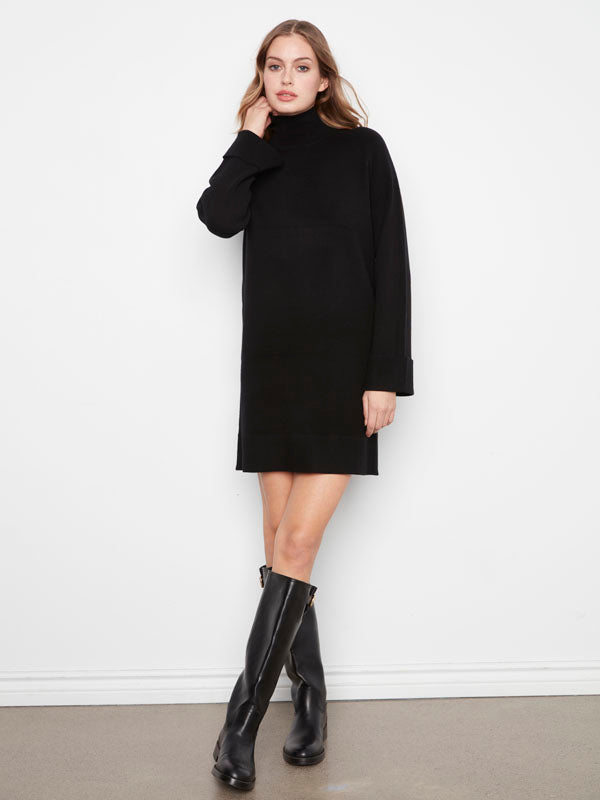
A scarf draped loosely rather than wound tightly adds warmth at the neck without competing visually with the layers underneath it. Ankle boots ground a layered outfit across most casual and semi-dressy occasions, while knee-high boots work better over tights with skirts or dresses. Keep jewellery minimal when the outfit already has several textures, since the layering provides enough visual interest without adding more competing elements.
Charlie B's Fall Layering Pieces
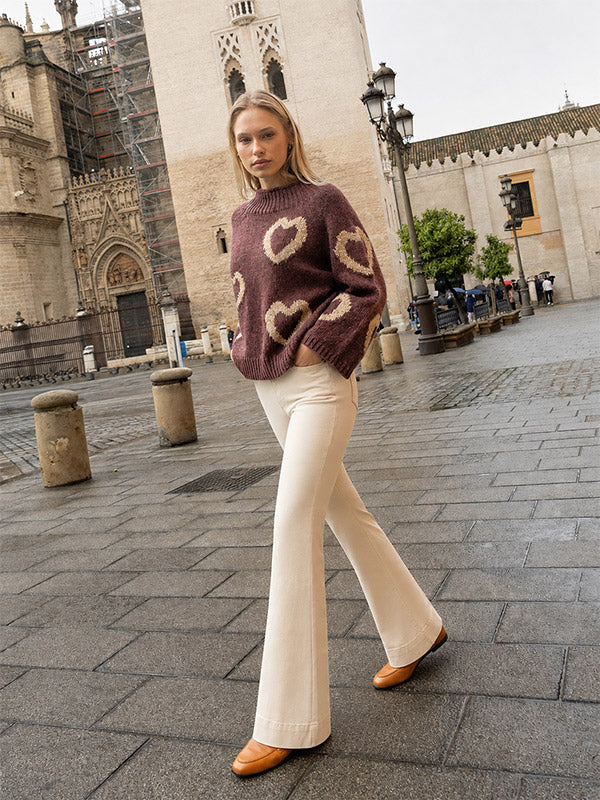
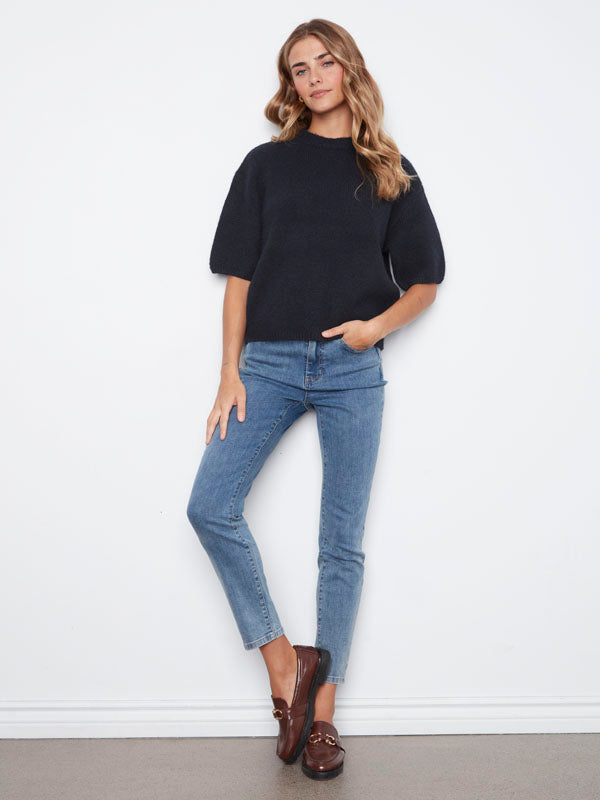
Charlie B's fall lineup pairs soft knit sweaters and corduroy pieces designed to layer easily under tailored coats and jackets. Outerwear throughout the collection is cut from stretch fabric, so a knit or mid-layer underneath doesn't restrict movement. Short and long jacket options offer different coverage depending on how many layers are needed underneath, making it practical to dress for the actual temperature rather than committing to a single-layer approach that stops working by afternoon.
Conclusion
What to wear under a fall jacket comes down to three decisions: a breathable base layer that doesn't trap moisture, a mid layer that adds warmth without compressing the jacket above it, and proportions that graduate from fitted to roomier rather than stacking evenly at every level. Get those three right and the jacket on top, whether quilted, trench, or wool, has room to do its job without fighting the layers beneath it.