

You have probably wondered what embroidery actually is when you spotted "embroidered detailing" on a Charlie B product page. That little word on the tag hints at real craft behind the piece. This guide gives you a plain-language answer, then shows how embroidery shapes fabric with thread, how to recognize quality, and how to care for it.
What Is Embroidery? Defining the Craft
So, what is embroidery, in the simplest terms? It is the craft of decorating fabric with a needle and thread, sometimes with yarn, beads, or sequins, to create a design worked directly into the cloth. Each stitch passes through the fabric rather than resting on the surface. That is the key difference from printing, which sits on top of the material.
A Brief History of Embroidery
Embroidery is one of the oldest forms of textile art, with a documented presence stretching back thousands of years across many cultures. From ceremonial garments to everyday tradition, hand-stitched decoration has carried meaning and status around the world. Symbolic motifs marked belonging, celebration, and craft. That long history is part of why folk and ethnic-inspired patterns keep resurfacing in modern fashion, giving contemporary pieces a sense of heritage that a flat printed graphic cannot replicate.
Hand Embroidery vs Machine Embroidery
There are two main ways embroidery is produced, and knowing the difference helps you understand what you are paying for. Hand embroidery is worked slowly, stitch by stitch, so each piece varies slightly and often costs more to make. Machine embroidery uses programmed designs and multi-needle heads to scale production while maintaining consistent stitching. Both are genuine techniques, and both appear across a range of fashion price points in the embroidered clothing collection.
Common Embroidery Techniques and Stitch Types
Once you know a few stitch types, you can read a garment the way a maker does. Satin stitch fills shapes with dense, glossy blocks of colour and suits smooth motifs like petals. Running stitch outlines shapes and adds fine texture with a simple in-and-out line. French knots create small, raised dots for dimensional detail.
Why Embroidered Clothing Outlasts Printed Designs

Here is the practical payoff. Because embroidery thread is worked through the fabric rather than sitting on top of it, embroidered clothing holds up far better than surface-printed graphics. Heat-transfer and screen prints can crack, peel, and fade after repeated washing, while stitched thread stays put through wear and wash care. That durability is a real reason to choose stitched detailing, easy to appreciate once you handle pieces from the embroidered clothing collection.
How Embroidery Adds Texture and Dimension
Beyond durability, embroidery changes how a garment looks and feels. Raised stitches catch light differently than flat print, creating subtle shadow and shine as you move. Run your fingers over an embroidered panel, and you feel the texture, the slight lift of the thread against the base cloth. That tactile quality reads as a more considered design choice than a printed graphic pressed flat.
Where Embroidered Clothing Shows Up in Fashion Today
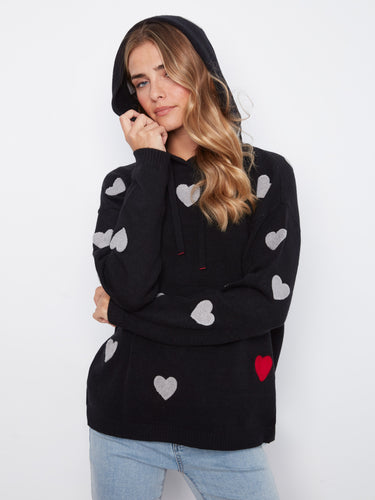
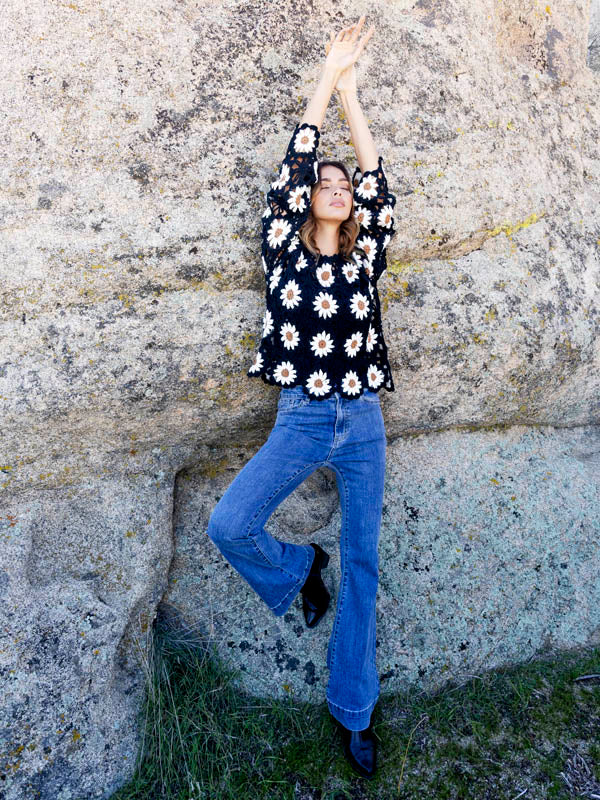
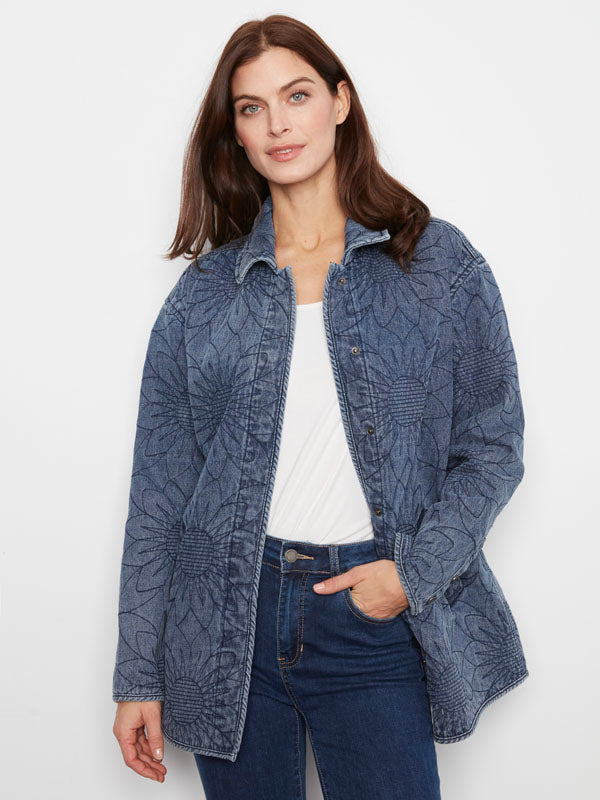
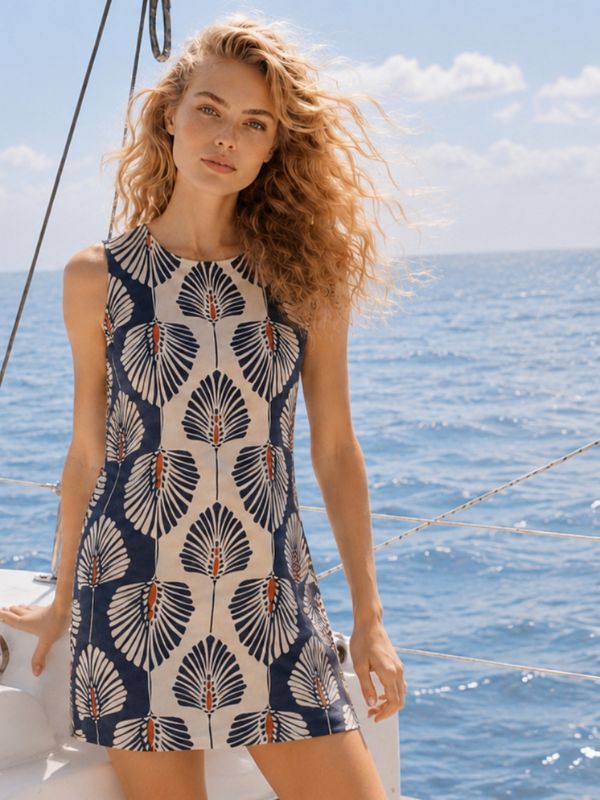
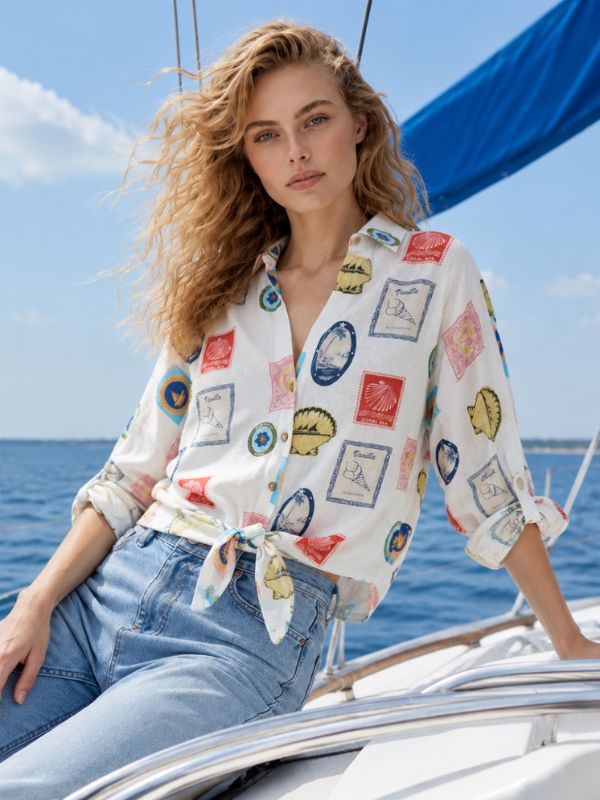
Embroidery is having a real moment in fashion right now. Embroidered denim, floral motifs, and delicate trim details continue to trend across both casual and occasion wear, showing up on everything from jeans to summer blouses. The appeal is clear: embroidery signals intentional, hands-on design in a market full of mass-produced print. Floral and folk-inspired patterns feel fresh yet grounded.
How to Care for Embroidered Clothing
A little care keeps embroidered clothing looking its best. Hand washing is recommended to protect stitching and preserve colour and detail over time. Turning a piece inside out before washing helps shield the threadwork from friction, and gentler handling protects the stitching. Avoid wringing embroidered areas, and take care around the stitched design when using direct heat to keep the raised threads in shape. Always check the garment's care label first, since instructions can vary by fabric. Small habits like these protect the detail you paid for.
Styling Embroidered Pieces Through the Canadian Seasons
Embroidered detailing works surprisingly hard across the Canadian year. Through cooler shoulder seasons, an embroidered top layers neatly under a jacket or cardigan, letting the stitching peek through. In summer heat, the same piece stands alone with nothing more needed. Embroidered detailing on denim or outerwear adds visual interest without extra accessories, so a single garment carries an outfit.
Styling Embroidered Pieces for Women Over 40
Embroidered detailing is a quiet way to add personality without leaning on loud trends, which makes it a natural fit if you are dressing with intention over 40. Choose a piece where the stitching does the talking, then keep the rest of the outfit clean and considered: a well-cut jean, a tailored bottom, simple footwear. A softly embroidered top under a jacket reads polished for the office, while the same top styled with denim feels relaxed for the weekend. The craft signals thoughtfulness, and that versatility suits a wardrobe built to work across many roles in a day.
What Is Embroidery Worth Paying For? Reading Quality Before You Buy
Now that you know what embroidery is all about, you can judge quality with a quick look. Check the stitching first: it should be dense and even, with colours meeting cleanly and no gaps in the fill. Turn the piece over and look for tidy backing with no loose or trailing threads. The design should sit flat, not pucker or warp the base fabric.
Embroidery at Charlie B: Where Craft Meets Everyday Style

At Charlie B, embroidered detailing is designed for real life, not just for one special occasion. The same comfort-meets-style philosophy that shapes every piece applies whether a design is plain or richly stitched. That means you can actually reach for it on a busy weekday, layer for the office, or wear out with friends. Explore how craft meets versatility across the embroidered clothing styles.
Conclusion
So, what is embroidery? It is decoration stitched directly into fabric with thread, giving a garment texture, dimension, and durability that a printed design cannot match. Unlike surface print, embroidered thread is worked through the cloth, so it holds up through wear and wash. Now that you can recognize quality stitching and care for it properly, you are ready to shop with confidence.