

A plaid jacket vs. a quilted jacket is a genuine fall wardrobe decision, not just an aesthetic one. Charlie B carries both, and each earns its place for different reasons. This guide breaks down warmth, styling, and occasion so the choice comes down to how you actually wear it, not just which looks better on a hanger.
How Each One Is Actually Made
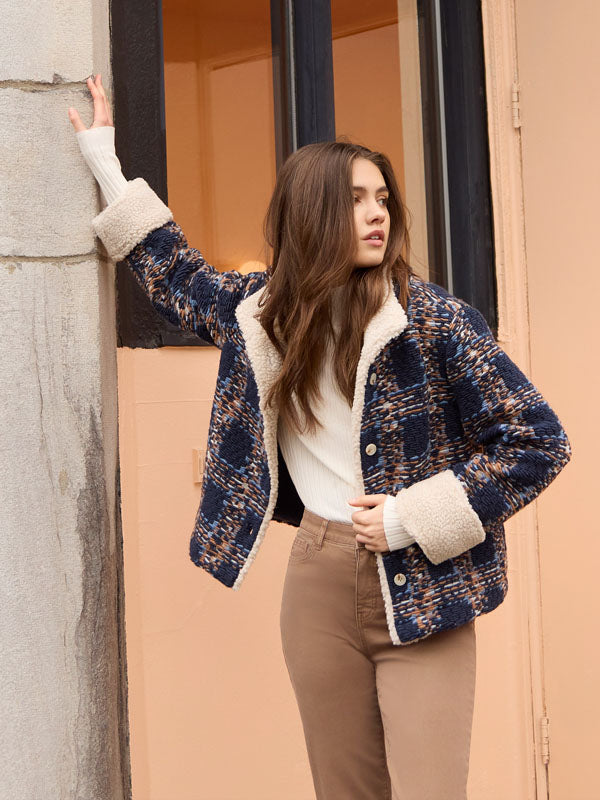
A plaid jacket gets its warmth from the fabric itself, usually a wool or flannel weave, with the checked pattern woven directly into the cloth rather than printed or applied. A quilted jacket gets its warmth from a separate insulating layer stitched flat between the shell and lining, holding the fill in place across the surface. That difference in construction is the root of nearly every other distinction between the two styles.
Which One Is Warmer?
When comparing a plaid jacket vs. a quilted jacket for warmth, the quilted jacket generally delivers more consistent insulation for its weight, particularly in lighter-fill versions built for daily wear. A heavier wool plaid jacket can rival that warmth, but it depends on fabric weight rather than construction. For genuinely cold days, a quilted jacket is the more dependable single-layer choice. For milder fall days, the gap narrows, and either works comfortably for most outdoor wear.
Shared Heritage, Different Looks
Both styles trace back to the British countryside and equestrian dressing: quilted jackets through hunting and riding wear, plaid through tartan and estate tweed traditions. That shared origin is part of why both still read as considered and put-together rather than purely casual, even though their surface textures could not look more different from one another. The heritage is not just a styling story. It is built into the construction logic of each.
Which One Layers More Easily?
A quilted jacket's flat, stitched construction layers easily over a sweater without adding much visible bulk at the shoulders or arms. A plaid jacket, especially in heavier wool or flannel versions, can feel dense underneath a coat but works well as a mid-weight piece on its own over a lighter knit. For anyone who layers through the full season rather than swapping jackets, the quilted jacket's slimmer profile is the more practical starting point.
Casual vs. Dressed-Up Occasions
A plaid jacket pairs easily with weekend denim for a smart-casual look, with a button-down and dark jeans. A quilted jacket, particularly a longline style, leans slightly more polished and suits evening wear a little more naturally. When comparing plaid and quilted jackets across occasions, neither wins outright. They simply lean toward different contexts, and the better choice is whichever one fits the actual day ahead.
Which One Pairs Better With Denim?
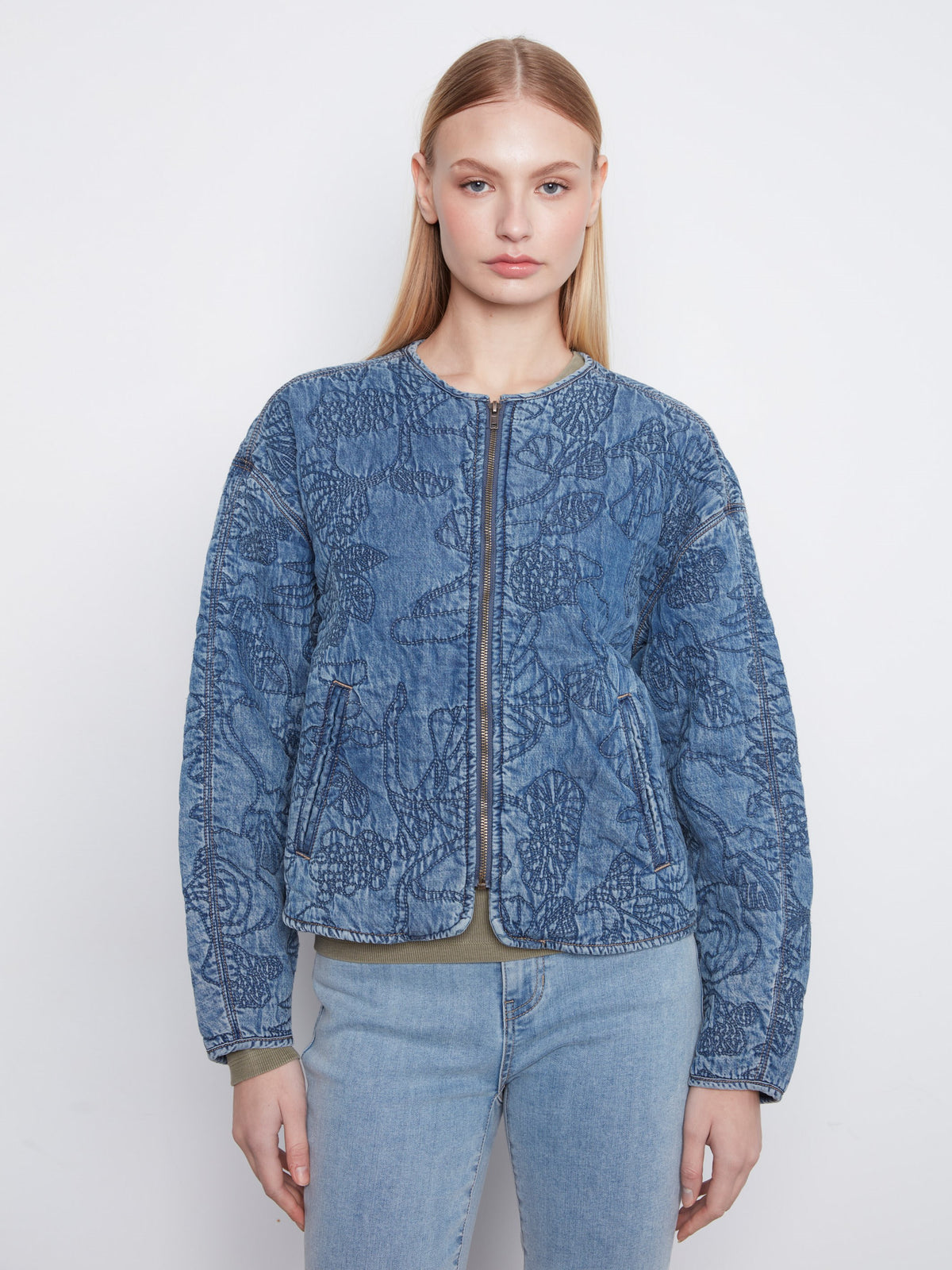
Both pair naturally with denim, but the effect differs in ways that matter to the outfit's overall tone. A plaid jacket over denim reads classic and slightly rugged, with two textures that reinforce each other. A quilted jacket over the same denim reads cleaner and more urban, with the jacket's smooth surface providing contrast against the fabric. Choosing between them here often comes down to which mood the rest of the outfit is already carrying.
Which One Is Easier to Care For?
A quilted jacket is generally machine washable on a gentle cycle, provided the care label allows it, making it the lower-maintenance choice for everyday wear. A plaid jacket, especially in wool or a wool blend, more often requires dry cleaning or careful hand washing to keep the weave and colour intact over time. For anyone who prioritizes outerwear that fits easily into a weekly laundry routine, that difference is worth factoring in before buying.
Choosing Between Them for Canadian Early Fall vs. Late Fall
A lighter plaid jacket suits early Canadian fall well, when mornings are crisp but afternoons still hold enough warmth that a heavier layer would feel excessive indoors. As the season deepens toward late fall and real wind chill sets in, a quilted jacket's more consistent insulation earns its place in daily wear. On the question of plaid jacket vs. quilted jacket, which is warmer for a Canadian fall, many wardrobes benefit most from having both.
Which One Fits Your Personal Style Better
If a wardrobe already leans toward pattern and texture, a plaid jacket fits naturally and adds personality without much extra thought about coordination. If a wardrobe leans cleaner and more minimal, a quilted jacket's flatter profile integrates more easily alongside solid-coloured pieces. Neither choice is more flattering by default. The better fit comes down to what already fills the rest of the closet and which new piece creates less friction on a typical morning.
Which One Has More Longevity in Your Wardrobe?
A well-made quilted jacket in a neutral tone tends to stay in regular rotation for years without feeling dated, since its construction is built around function rather than a particular season's trend. A classic plaid jacket in a traditional check is similarly durable in style terms, since the pattern itself has remained a fall constant for decades rather than cycling sharply in and out of fashion. Both are genuinely long-term wardrobe additions when the fit is right.
Charlie B Carries Both
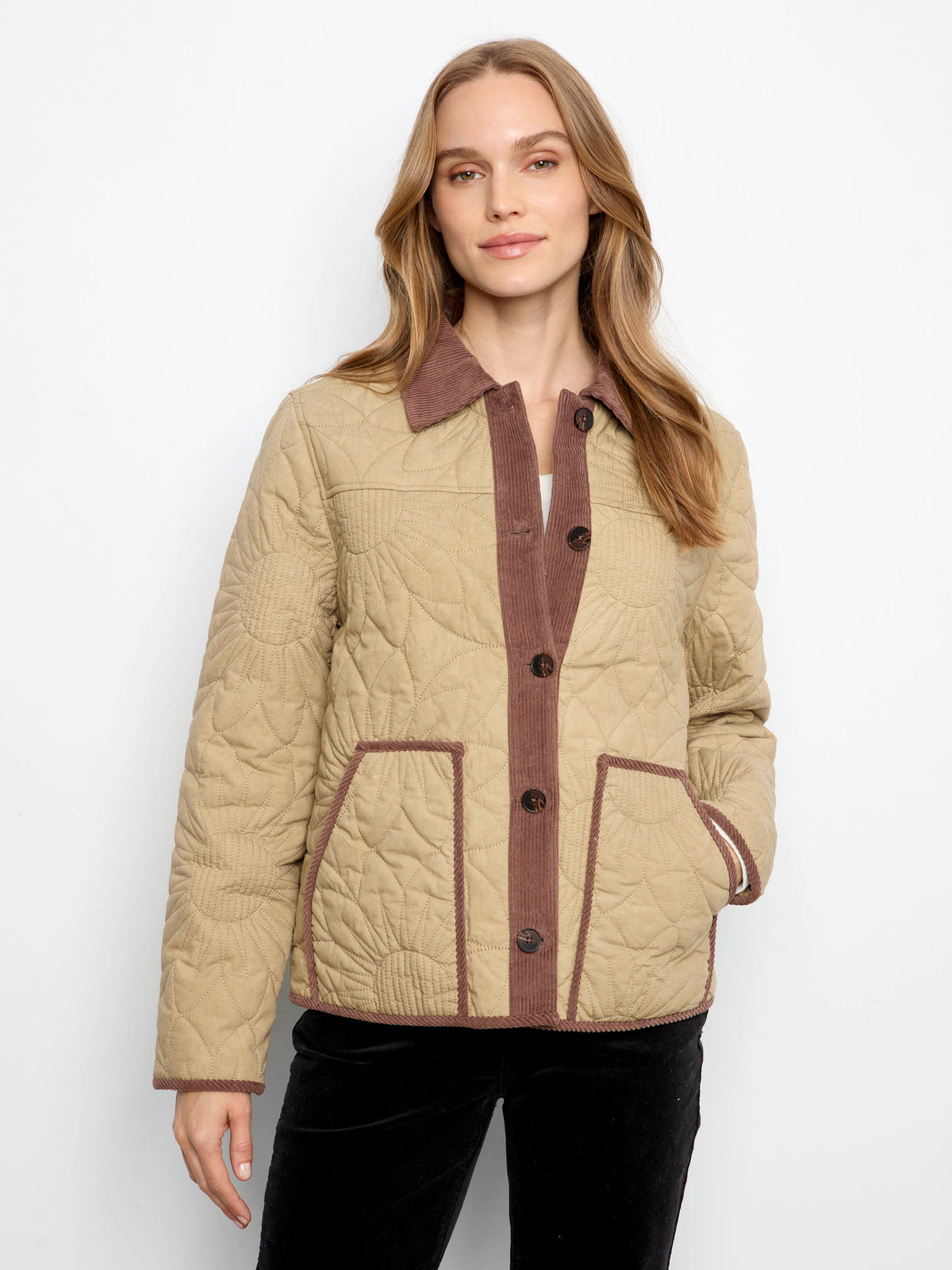
Charlie B's plaid coats and jackets are built with flattering cuts and soft, easy-to-layer fabrics, from lightweight plaid jackets suited to early fall to cozier plaid coats with more coverage for colder evenings. The quilted jacket collection uses a premium synthetic fill designed for warmth without added bulk, and is finished with feminine shaping and stitching details that distinguish it from a purely sporty silhouette. Both collections sit alongside each other on the site for exactly this reason.
Conclusion
The plaid jacket vs. quilted jacket decision comes down to warmth needs and occasion rather than one being objectively better than the other. Quilted wins on consistent insulation and easy layering across different outfit builds. Plaid wins for its pattern-driven personality and effortless pairing with denim. For most Canadian falls, the most practical approach is to have one of each, reaching for them based on the conditions and plans for the day ahead.