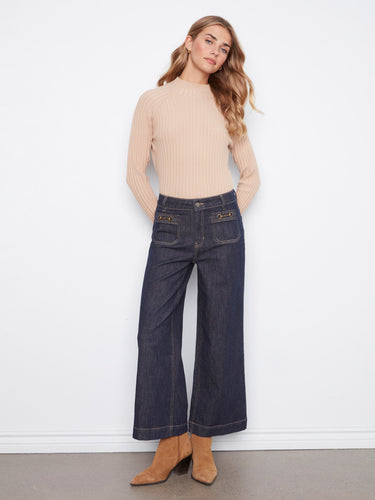



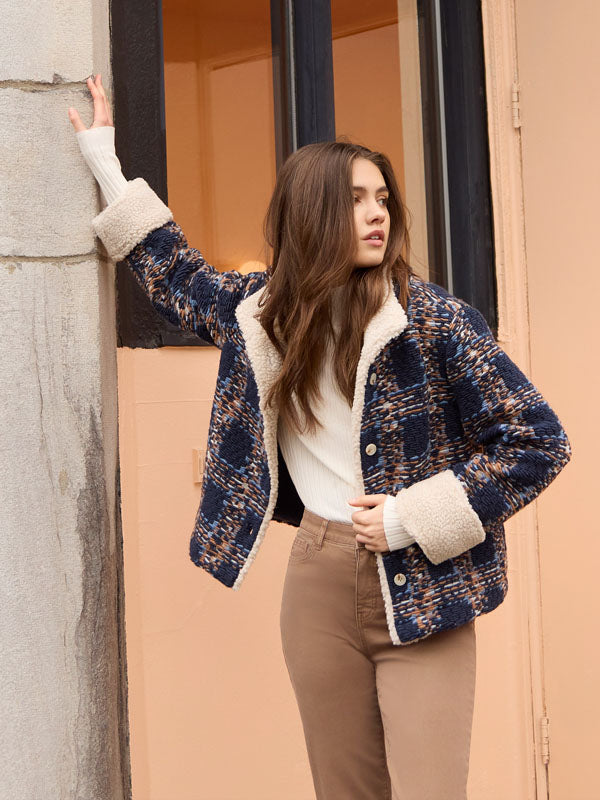
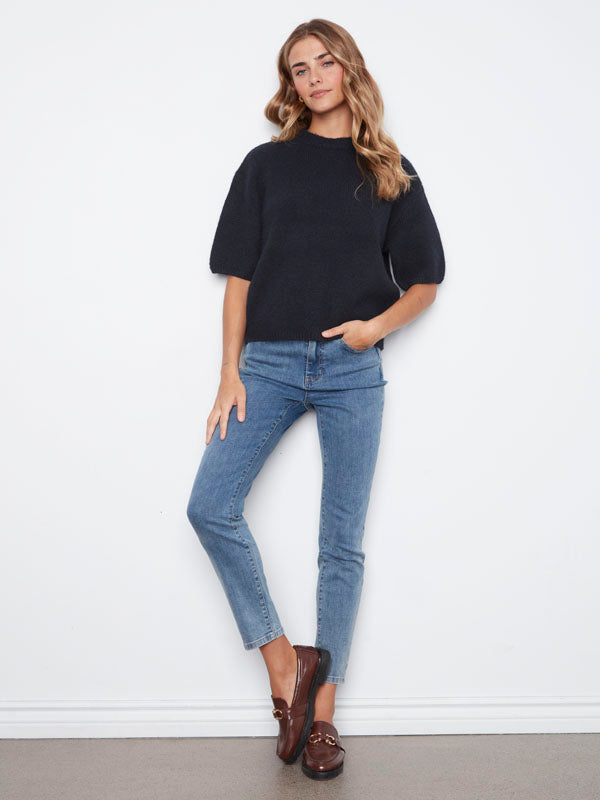
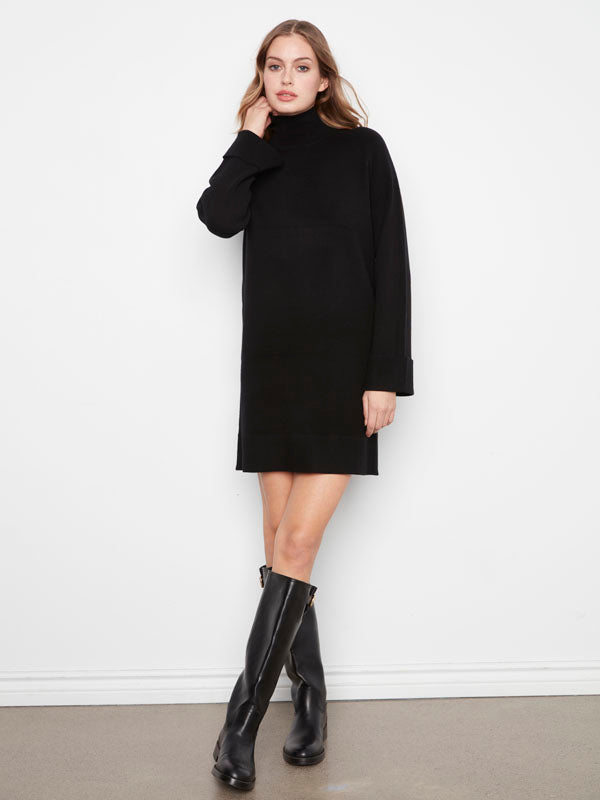

Summer dressing sounds simple. It is warm, you wear less, you live in sandals. In practice, the Canadian summer is one of the harder seasons to get right because it asks more of your wardrobe than any other. The temperature range alone, from cool mornings to hot afternoons to chilly evenings, means what you put on at 8am may not serve you by 2pm. This guide covers what to wear in summer across every context you actually encounter, built around four wardrobe categories, five temperature brackets, a 10-piece capsule framework, and outfit formulas that work without daily effort.
Why Summer Is Harder to Dress for Than It Looks
The idea that warm weather simplifies dressing is one of the season's more persistent myths. In reality, Canadian summer creates a specific dressing challenge that no other season does quite so consistently.
The daily temperature range is the core problem. A Canadian summer morning at 15°C can become a 28°C afternoon within a few hours. Whatever you put on for the morning may be wrong by noon, and whatever works at noon may leave you cold on a summer evening. Most women navigate this by overdressing in the morning and overheating by lunch, or by underdressing and spending the day uncomfortable.
Air conditioning adds a second layer of difficulty. A sleeveless linen dress that is perfect at a sidewalk patio feels uncomfortably cold in the next air-conditioned restaurant or office. The outfit that works outside frequently does not work inside, which creates a second wardrobe problem within the same day.
The practical solution is not more clothes. It is smarter categories: fewer, more versatile pieces that solve the temperature range problem by design rather than by accident. This guide builds that framework from the ground up, so you know exactly what belongs in your summer wardrobe and what you can skip.
The Four Summer Wardrobe Categories You Actually Need
A functional women's summer wardrobe does not require twenty pieces or a seasonal overhaul. It requires four categories, each with a clear job, that together cover the full range of Canadian summer occasions and temperatures.
Category 1: Dresses. The single best summer investment for Canadian weather. One dress handles every occasion from morning errands to evening dinner with only a shoe change. A well-chosen linen dress is also the most portable piece in the wardrobe: it weighs almost nothing, packs to the size of a folded sweater, and works regardless of what summer decides to do with the temperature. Summer dresses in Canada anchor the entire wardrobe category.
Category 2: Lightweight bottoms. Linen pants and linen shorts form the everyday foundation for days when a dress is not the right call. Wide-leg and relaxed fits are the right silhouettes for summer because they allow airflow rather than trapping heat against the body. Two pairs of lightweight bottoms, one full-length and one short, cover the range between warm and hot days.
Category 3: Tops. A small, purposeful rotation of blouses, tanks, and printed tops that pair across both dresses and bottoms. In summer specifically, tops also function as layers: a printed blouse worn open over a camisole and shorts is a casual outfit. The same blouse closed over slim pants is a work-appropriate look. Three or four tops that operate this way is all most women need.
Summer Tops for Women: Build a Wardrobe That Works as a System
The right summer tops for women work as a modular system rather than a collection of standalone pieces. A lightweight tank top functions as the base layer, worn alone on the hottest days or underneath when the temperature drops and a layer becomes necessary. Women's blouses and tops in a lightweight fabric, whether solid or patterned, worn open over that same tank, give you a second outfit from a piece already in your wardrobe without adding anything new. And a printed top for women removes the need to think about pattern anywhere else in the outfit, because the print is doing the work. Lightweight tops for women in breathable fabrics like linen or cotton are the category where fabric should determine the purchase before style does, because comfort drives how much you actually reach for a piece across a full season.
Category 4: The light layer. A linen jacket or denim jacket for evenings, air-conditioned interiors, and unpredictable shoulder-season days. This is the category that most summer wardrobes underinvest in, and it is the one that makes the rest of the wardrobe functional across the full temperature range Canadian summers demand.
Summer Dresses: The One-Piece Solution

Summer dresses for women are the category worth building around in Canada because they solve the coordination problem before it starts. One piece handles everything a top-and-bottom combination handles, with fewer decisions and more consistent results.
The practical case for dresses in Canadian summer is simple. A dress is one decision in the morning. It requires no coordination. In natural fibers, it breathes better than most separates because the silhouette allows more airflow around the body. And it travels from occasion to occasion with a shoe change as the only variable.
The essential summer dress silhouettes for Canadian weather are four. A maxi dress covers warm days and evenings with equal ease, particularly in linen, which drapes cleanly and stays comfortable through sustained heat. A midi dress is the most versatile length for Canadian conditions specifically: long enough to feel covered on cooler days and easy to layer a jacket over, short enough to stay comfortable when the temperature climbs. Wrap and A-line silhouettes are the most consistently flattering across body types because both create a defined waist and a clean vertical line without requiring structure or fitted construction.
Linen dresses carry a specific functional advantage over cotton or synthetic alternatives. Linen breathes actively rather than passively: its open weave releases heat rather than trapping it. A linen dress at 26°C remains comfortable for hours in a way that a cotton dress in the same temperature does not.
The one-dress, multiple-occasions formula works as follows. A linen midi dress with flat sandals and a minimal tote covers casual daytime. The same dress with a leather sandal or a low heel covers a dinner or an evening event. The same dress with a linen jacket layered over covers a cool morning or an air-conditioned office. Three distinct occasions, one piece, zero additional purchases required.
What to Wear for Every Summer Occasion
The gap in most summer style guides is not inspiration. It is structure: a clear map of which outfit belongs in which context so you are not starting from scratch each morning.
Everyday Casual
Linen pants with a simple top and a flat slide is the daily default that works whether the plan is errands, a coffee meeting, or a low-key afternoon. The linen handles the temperature. The simplicity of the top and shoe handles the rest. For slightly cooler days or long stretches indoors, a printed top with slim jeans and loafers is the structured alternative that stays comfortable in air conditioning.
Work and Summer Office Days
A linen co-ord set or a linen blazer over a slim trouser is the professional summer answer that does not feel stuffy or over-dressed for warm weather. Natural fibers are the non-negotiable for summer workwear: loose-but-structured silhouettes in linen or cotton-linen blend remain appropriate across the full workday without requiring the wearer to choose between looking professional and being comfortable.
Summer Weekends: Brunch, Markets, Errands
A midi dress with a flat sandal is the universal formula for a relaxed but intentional weekend look. It requires no accessories and no additional decisions. For occasions with a bit more movement, shorts with a linen blouse and espadrilles is casual without effort: three pieces, zero coordination problems.
Evenings Out and Dinner
A maxi dress or a linen co-ord set in a rich earth tone, warm terracotta, camel, or deep oat, is the one-decision evening solution. Rich tones in natural fibers photograph cleanly and read as intentional in a way that busy prints or mid-wash denim do not manage in the same evening context. For women who are already out and do not want to change: any daytime outfit from the section above plus a linen jacket thrown over the shoulders becomes evening-ready without a wardrobe change.
Dressing for Every Summer Temperature: 15°C to 30°C

No top-10 competitor guide addresses this, and it is the most practically useful section a Canadian summer dressing guide can provide. Here is how to dress across the temperature brackets Canadian summers actually produce.
15 to 18°C: Cool morning, shaded day. This is still a jacket day regardless of the calendar date. Linen or cotton pants with a long-sleeved blouse and closed shoes is the right combination. Add the denim jacket if you are spending meaningful time outdoors. A linen jacket works here if it is layered over a long-sleeved base rather than a sleeveless one.
18 to 22°C: Comfortable mid-range. This is the most versatile window in Canadian summer, where almost any seasonal piece works with minor adjustments. A midi dress with a sandal lands correctly here. Linen pants with a short-sleeved blouse works equally well. A light layer in the bag is sensible but not always needed.
22 to 26°C: Warm, comfortable peak. Sleeveless dresses, shorts, and linen pants without a layer are the right call. This is the temperature range where lightweight natural fibers deliver their best performance: linen and cotton-linen blend remain comfortable for hours, while heavier fabrics start to retain heat. Sandals over closed shoes for most occasions.
26 to 30°C and above: High summer heat. Prioritize breathability absolutely. Linen, gauze, and cotton-linen blends in loose silhouettes are the only comfortable choices at sustained temperatures above 26°C. Dark fabrics absorb more heat than light ones. Structure adds heat. Layers are not appropriate unless they are carried rather than worn continuously.
The transition reality for Canadian summer days. Most days in July and August cross three or four of these temperature brackets between morning and evening. The practical answer is to dress for the midday temperature and carry a linen jacket for the morning and evening brackets when the temperature drops. A linen jacket folded into a bag adds no meaningful weight and eliminates the need to plan two separate outfits for the same day.
What to Pack for a Summer Vacation
Vacation packing is where most women either overpack and carry unnecessary weight, or underprepare and spend the trip wishing they had brought one more versatile piece. The framework below solves both problems for a seven-day trip.
The 7-day packing principle: two dresses, one casual and one elevated, two bottoms including one linen pant and one pair of shorts, three tops that pair across both bottoms, one linen jacket, and two pairs of sandals, one flat and one with a slight heel. That is ten pieces total for a full week of varied occasions.
Linen is the strongest travel fabric available. It packs smaller than cotton, weighs less than denim, and looks intentional even when it has been in a bag for twelve hours. The slight creasing that comes with linen travel is part of the fabric's character rather than a defect, and it disappears within twenty minutes of wearing.
The dress-as-three-outfits formula is the most efficient vacation packing principle. A linen maxi dress worn with flat sandals and a woven tote is a full day outfit. The same dress with a heeled sandal and minimal jewellery becomes an evening outfit. The same dress with a linen jacket layered over it covers a long flight or a cool coastal evening. One piece, three distinct occasions, zero additional purchases.
What most women overpack: heavy jeans that take up a third of the bag and work in only one temperature bracket, multiple pairs of shoes that each cover a single occasion, and statement pieces bought specifically for the trip that only work once.
What most women underpack: a light layer for air conditioning and cool evenings, and one genuinely versatile elevated piece that works for dinner without being formal.
How Charlie B Approaches the Canadian Summer Wardrobe
Charlie B designs from Montreal, which means the brand understands the Canadian summer experience from the inside: the humidity that arrives in July, the temperature swing that makes a single day feel like two seasons, and the need for pieces that perform as hard as the season demands without requiring daily wardrobe deliberation.
The summer collection is built on one principle: natural, breathable fabrics in flattering cuts that require zero overthinking. Every piece is evaluated against real conditions rather than editorial ones. A linen jacket that looks beautiful in a photo but becomes unbearable at 24°C does not make the collection. A dress that works for errands in the morning and dinner in the evening does.
The linen collection is not a seasonal trend response. It is a seasonal philosophy: clothes designed to breathe in heat, look polished at any occasion level from a casual patio lunch to a summer event, and age well across multiple seasons rather than feeling dated after one. Linen softens and improves with wear rather than deteriorating, which makes the investment case straightforward.
The dresses collection is built for the woman who wants a single-piece answer to the summer dressing question. Every silhouette is chosen for its versatility and wearability across the full Canadian summer, not for how it performs in a single styled photograph.
The light layer approach runs through both the denim jacket and the linen jacket collections. Both are designed to solve the same problem: the morning-and-evening temperature gap that makes summer dressing unnecessarily complicated. The right jacket is the piece that makes the rest of the wardrobe function across the full day without a midday change.
How to Build Your Summer Wardrobe from 10 Pieces
No top-10 competitor provides a numbered summer capsule framework with this level of specificity. The list below is the minimum viable women's summer wardrobe: 10 pieces that produce 20 or more outfit combinations without redundancy.
Piece 1: A linen maxi dress. Handles casual daytime, vacation, and evening with only a shoe and accessory change. The highest versatility-per-item ratio in the summer wardrobe.
Piece 2: A linen midi dress or A-line dress. The versatile workhorse across most Canadian summer occasions. Long enough to layer a jacket over on cool days, appropriate for work, errands, and evenings equally.
Piece 3: Linen wide-leg pants. Pairs with every top in this list. Cool enough for 28°C heat. Polished enough for a summer office day. The single bottom that covers the widest occasion range.
Piece 4: Linen shorts or a linen skirt. The warm-day casual anchor. Pairs with the blouse, the tank, and the striped top from the list below. Covers weekends and outdoor occasions where the linen pant feels slightly too much.
Piece 5: A printed or floral blouse. Works as a standalone top, layers open over a tank for a casual look, and pairs with both the linen pant and shorts equally. The printed piece that gives the wardrobe visual variety without requiring additional purchases.
Piece 6: A simple fitted tank or camisole. The foundation piece that wears alone in high heat, layers under the blouse, goes under the blazer or jacket for cooler days, and works under sheer or lightweight tops as a base.
Piece 7: A striped or neutral top. The daily default that pairs with every bottom in the list. Requires no coordination decisions and works from morning errands to casual evening plans without adjustment.
Piece 8: A linen jacket. The evening and air-conditioning layer that makes the entire wardrobe functional across temperature swings. Without this piece, the 10-piece wardrobe works only in warm conditions. With it, it works across the full Canadian summer day.
Piece 9: Flat sandals. Neutral, comfortable, and compatible with nine of the ten pieces above. The shoe that requires no decision.
Piece 10: One versatile elevated sandal or low heel. Elevates the two dresses from casual to dinner without a wardrobe change. The single footwear upgrade that extends the entire collection into evening occasions.
Ten pieces equal twenty or more combinations: each dress produces at least three distinct outfit contexts, the linen pant pairs with three different tops across three different occasion registers, and the jacket transforms any daytime outfit into an evening one.
If you’re building from scratch, start here: begin with the linen midi dress, the linen wide-leg pant, and the linen jacket. These three pieces alone cover the majority of Canadian summer occasions before any other purchase is added.
Frequently Asked Questions
What Kind of Clothes Do You Wear in Summer?
Start with fabric and work outward. Linen, cotton, linen-blend, and light gauze are the foundations of a functional summer wardrobe because they breathe in heat and remain comfortable through temperature changes. Silhouettes that allow airflow, wide-leg cuts, loose fits, A-line shapes, and relaxed constructions, are consistently more comfortable in summer than anything structured in a synthetic that traps body heat. A practical summer wardrobe for a Canadian woman includes two or three dresses, two pairs of lightweight pants or shorts, a small rotation of tops, and one light jacket for temperature transitions. Canada-specific: a layer is not optional in Canadian summer. Cool evenings, air-conditioned interiors, and unpredictable shoulder-season conditions mean the woman who has a linen jacket nearby is almost always more comfortable than the one who does not.
What Is the 3-3-3 Rule for Fashion?
The 3-3-3 rule is a capsule wardrobe method built around choosing three bottoms, three tops, and three pairs of shoes that mix and match into a complete outfit rotation. The appeal is mathematical efficiency: 3 bottoms paired with 3 tops produces 9 outfit combinations before shoes are added. With three shoe options, that becomes 27 possible outfits from nine pieces. Applied to summer specifically, a useful 3-3-3 framework might be three lightweight bottoms, such as linen pants, shorts, and a skirt, paired with three tops that work across all three, plus three shoe options covering flat sandal, elevated sandal, and casual sneaker. The Charlie B variation substitutes one of the three tops with a dress, which functions as a complete outfit without requiring a bottom at all, and increases versatility per item count significantly.
What Is the 5 Outfit Rule?
The 5 outfit rule is a pre-purchase evaluation method: before buying any new piece, you should be able to picture at least five distinct ways to wear it. If you cannot, the piece does not earn its purchase price. A linen dress passes the rule easily: worn with flat sandals for casual daytime, with a heel for evening, layered under a linen jacket for cooler days, belted for a different silhouette, or worn as a beach cover-up. Five occasions from one purchase. A highly specific statement piece, such as a single-occasion embellished top, typically fails the rule because it looks good in one narrow context and sits unused for the rest of the season. The 5 outfit rule is particularly useful for summer shopping, when the short season and the visual appeal of warm-weather pieces make impulse purchases unusually common and expensive.
What Is the Best Fabric for Summer Clothes?
Linen and linen-blend are the highest-performance summer fabrics available. Linen breathes actively by releasing heat through its open weave rather than holding it against the body. It wicks moisture, softens with repeated wear, and regulates temperature in sustained heat in a way that cotton does not match above 22°C. Cotton is excellent for cooler summer days and air-conditioned environments where structure and body matter more than active breathability. Cotton-linen blend is the practical all-rounder for most Canadian summer conditions: it provides the structural quality of cotton alongside linen's breathability, wrinkles less than pure linen, and sits at a price point that makes it accessible as a wardrobe foundation. Fabrics to avoid in summer heat are heavy polyester and synthetic blends, which trap moisture and body heat regardless of how lightweight they appear and become noticeably uncomfortable above 22°C in direct sun.
How Many Pieces Do I Need in a Summer Capsule Wardrobe?
A functional women's summer capsule wardrobe is 10 to 15 pieces for most women. The minimum viable version, outlined above in this guide, is 10 pieces that produce 20 or more outfit combinations. The practical Canadian summer wardrobe runs slightly higher at 12 to 15 pieces, primarily because the temperature range requires a small light layer rotation, typically one denim jacket and one linen jacket, to cover the full season from cool April evenings through warm August afternoons. If you are building a summer wardrobe from scratch and prioritizing by impact, start with a linen dress, a pair of linen pants, and a light jacket. Those three pieces cover the majority of Canadian summer occasions before any other purchase is added, and they form the foundation that every subsequent piece should be chosen to complement.
What are the most flattering summer tops for women over 50?
Three principles apply consistently. First, coverage without compromise: a sleeveless top with a modest neckline, or a short-sleeve style rather than strapless, keeps you cool without requiring you to think about positioning throughout the day. Second, fabric breathability matters more than structure at this stage, and linen and cotton-linen blend tops deliver comfort without adding weight or stiffness. Third, a top that finishes at or just below the hip works for most body types because it avoids a visual break at the waist. Explore the Charlie B short sleeve tops collection for styles built around these principles.
How do you style a linen top for summer?
Three ways cover most situations. Tuck a linen top into linen pants for a co-ordinated look that reads intentional without effort. Wear a linen shirt or blouse open over a tank as a layering piece on transitional days, where the open front adds coverage without adding warmth. Or pair a linen top with denim shorts for the casual version of the same formula. A linen top with texture or a subtle print extends further because it reads differently depending on what you wear it with. Browse the Charlie B linen tops collection to find the right starting point.