




Indigo denim jeans get their rich blue-to-navy colour from indigo dye applied to cotton twill, making them the original and most enduring denim wash of all. Charlie B's complete guide covers what sets indigo apart from other washes, how the dye behaves over time, and why a well-chosen pair of indigo jeans belongs in your regular wardrobe rotation regardless of the season.
The Origin of Indigo Dye and Why It Defines Denim
Indigo is one of the world's oldest dyes, originally extracted from Indigofera plants and used for at least 6,000 years. Levi's built the first-ever pair of jeans using natural indigo in 1873, cementing the dye's inseparable connection to denim. Nearly all commercial indigo denim today uses synthetic indigo, which replicates the same blue-to-navy colour at scale. Crucially, indigo bonds to the outer surface of the cotton thread rather than fully penetrating it, and this surface bonding is exactly what produces the distinctive fading that defines worn-in denim.
How Indigo Denim Is Made — From Cotton to Finished Wash
Denim starts as cotton woven in a diagonal twill pattern. The warp threads, which run vertically through the fabric, are dyed in an indigo bath while the weft threads remain undyed. This construction is why the right side of indigo denim fabric appears deeply coloured while the reverse shows lighter, natural cotton underneath. The dyeing process can be repeated multiple times to deepen the shade, producing everything from medium-wash indigo through to the rich near-navy of dark indigo denim. Each additional dye bath adds depth and intensity to the finished colour.
Natural Indigo vs. Synthetic Indigo — What Is the Difference?
Natural indigo, extracted from Indigofera plants, produces a slightly warmer and more nuanced blue tone. Synthetic indigo, developed in the late 1800s, is chemically identical but dramatically less expensive and more consistent across large production runs. Natural indigo costs roughly $20 to $40 per 100 grams compared to $1 to $5 for synthetic, which is why it disappeared from mass manufacturing almost entirely. Today, nearly all indigo-dyed denim uses synthetic indigo. Small-batch and heritage brands sometimes specify natural indigo as a premium differentiator, but for most shoppers the practical difference in appearance is negligible.
Dark Indigo vs. Medium Indigo vs. Light Wash — How to Read a Denim Shade

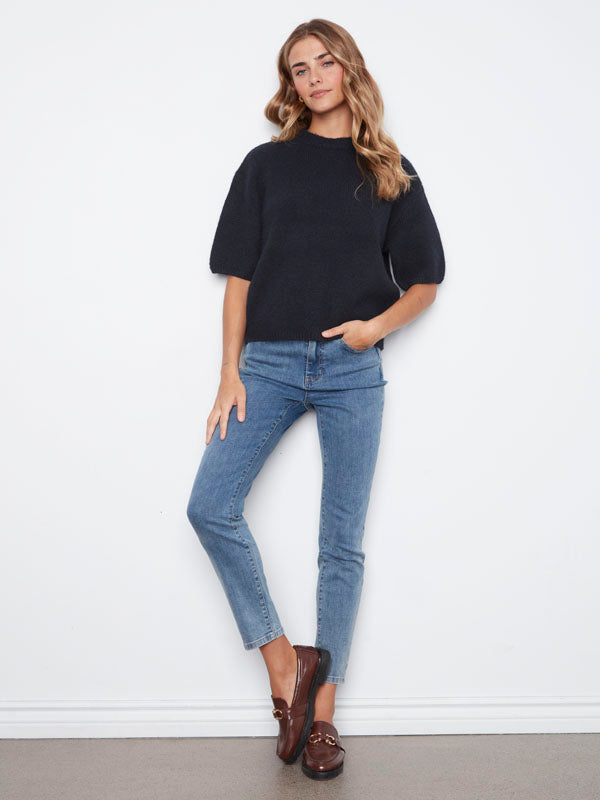
Indigo is not a single fixed shade. It spans a spectrum from pale blue through classic medium blue to deep near-navy. Raw indigo denim sits at the darkest end of that range; the more a pair is washed during or after production, the lighter the resulting colour becomes. Dark indigo denim reads as authoritative and pairs naturally with neutral and warm tones. Medium indigo blue denim reads as classic and casual. Understanding where your pair sits on this spectrum helps you choose a wash that works across more occasions in your wardrobe, rather than limiting you to a single context.
Why Indigo Denim Fades — and What It Means for Your Jeans
Because indigo bonds to the outside of the cotton thread rather than penetrating it fully, indigo denim jeans fade gradually over time and through washing. This is not a defect; it is a fundamental characteristic of the material and part of what gives broken-in denim its particular personality. Dark indigo jeans will develop a lighter, more lived-in appearance through regular wear. If maintaining the original depth of colour matters to you, wash infrequently, turn your jeans inside out before each wash, and use cold water. These habits slow the fading process significantly without stopping it entirely.
How to Style Indigo Denim Jeans for Everyday Occasions
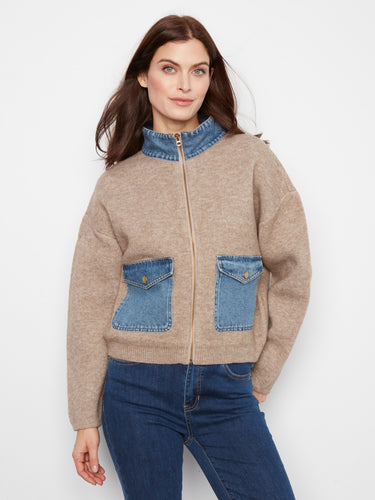
Indigo denim jeans read noticeably dressier than light or distressed washes, which makes them one of the most versatile pairs you can own. Dark indigo pairs naturally with white and cream tops, earthy knits, and structured layers for a polished casual look that works from daytime to an evening out. Medium indigo blue denim is equally at home with a casual tee or a relaxed blouse. Both shades transition between occasions more smoothly than their lighter counterparts, requiring less outfit-building effort to look considered and put together across the full range of everyday moments.
Indigo Denim for Women Over 40 — Fit and Wash Considerations
For women in their 40s, 50s, and beyond, dark indigo denim is a particularly useful styling tool. A deeper wash creates a longer, leaner visual line than distressed or pale washes, which tend to draw the eye rather than lengthen it. High-rise silhouettes in dark indigo denim provide coverage and a smooth finish from the waist to the hip. Pairing dark indigo jeans with a monochromatic or tonal top in navy or white amplifies the elongating effect and creates an effortless, put-together appearance that requires very little additional styling effort.
Raw Indigo Denim Explained — Is It Right for You?
Raw indigo denim, also called dry denim, has not been pre-washed after dyeing. It arrives in its deepest, stiffest form and gradually softens with wear, developing fading patterns unique to the wearer's body and movement. That personal fading history is part of the appeal for denim enthusiasts who value the break-in process. Raw denim requires more careful care and a genuine adjustment period before it feels comfortable. For everyday shoppers, a pre-washed pair of indigo denim jeans typically offers more immediate comfort with comparable colour depth and far less daily commitment to maintenance.
Caring for Indigo Denim — Wash, Dry, and Store the Right Way
Indigo-dyed denim is sensitive to frequent washing. The best approach is to wash infrequently, turn the jeans inside out before each cycle to protect the dye surface, use cold water on a gentle cycle, and avoid the dryer entirely in favour of hanging to dry. Spot cleaning handles most minor marks without putting the whole pair through a full wash. Storing indigo jeans folded rather than hung avoids stress marks at the waistband over time. These habits extend colour depth significantly and add meaningful life to any pair of indigo denim jeans you own.
Indigo Denim Through the Seasons — Wearing It Year-Round in Canada
One of indigo denim's most practical advantages is that it reads appropriately across all four Canadian seasons. In spring and summer, a medium indigo pair with a lightweight top and sandals is an easy, complete casual look. As temperatures shift through fall, dark indigo denim transitions naturally into layered outfits with knitwear, structured shirts, and light jackets without losing its dressed character. The versatility of indigo blue denim makes it one of the most cost-effective wardrobe investments for women from coast to coast in Canada, covering casual to semi-dressy contexts across every season.
How Charlie B Approaches Indigo Denim

Charlie B designs indigo denim jeans with everyday wearability as the starting point, not an afterthought. The goal is a wash-and-fit combination that earns a permanent place in your regular rotation rather than a pair reserved for specific occasions. The indigo jeans in the Charlie B collection are designed to hold their shape and colour through regular wear. Whether you reach for a straight leg or a relaxed silhouette, the indigo wash grounds the look with understated confidence that carries naturally across seasons. Explore the Charlie B indigo jeans collection to find your fit.
Conclusion
Indigo denim jeans are defined by the distinctive blue-to-navy colour that comes from indigo dye bonding to cotton twill. Understanding the wash, how it is made, how it fades, and how it works across your wardrobe makes it easier to choose the right pair for your life rather than guessing at the rack. Dark indigo reads dressier; raw indigo is the most committed version; and properly cared-for indigo jeans last. Explore the Charlie B indigo jeans collection to find the cut and wash that works for you.
Frequently Asked Questions
Is indigo the same as dark wash denim?
Indigo is the dye, not a shade descriptor, which means the two terms describe different things. Dark wash is a category defined by how much a pair has been washed after dyeing. Indigo is the pigment source present in virtually all classic and dark blue denim. Dark indigo specifically refers to denim dyed to a deeper, less-faded, near-navy tone. Medium and light washes are the same indigo-dyed fabric simply washed more extensively during production. Indigo is present at every shade of blue denim; only the depth of colour changes depending on the finishing process applied.
Does indigo denim fade, and is that normal?
Yes, and it is entirely normal. Fading is a natural characteristic of indigo denim rather than a sign of poor quality. Because the dye bonds to the cotton thread's surface rather than penetrating it fully, wear and washing gradually lighten the colour over time. The rate of fading depends primarily on how frequently you wash your jeans and the conditions of each cycle. Cold water, an inside-out wash position, and air drying all slow the process meaningfully and extend the depth of colour for longer than standard machine washing and tumble drying would.
What is the difference between raw and washed indigo denim?
Raw indigo denim has not been washed after dyeing, so it arrives stiff and at its deepest possible colour. It softens and develops unique, personal fading patterns through wear over time. Washed indigo denim has been pre-treated to remove stiffness and establish a consistent starting shade before it reaches you. For most shoppers who want immediate comfort and predictable colour, pre-washed indigo denim jeans are the more practical starting point. Raw denim is well suited to those who enjoy the break-in process and want fading patterns that reflect their own wear history.
How do I care for indigo denim jeans to keep the colour?
Wash indigo denim jeans as infrequently as possible. When washing is necessary, turn them inside out to protect the dye surface, use cold water on a gentle cycle, and skip the dryer in favour of hanging to dry flat or on a line. Avoid fabric softener, which breaks down denim fibres over time. For light marks, spot cleaning is usually sufficient and avoids an unnecessary full wash cycle entirely. Following these habits consistently preserves colour depth through many more wears and washes than standard laundering would, extending the garment's life significantly.
Can you wear indigo denim jeans year-round?
Yes. Indigo denim jeans are genuinely seasonless in a way that lighter or distressed washes are not. In warmer months, a medium indigo pair with a lightweight top and sandals is an easy, complete casual look that requires no additional styling effort. In fall and winter, dark indigo jeans layer naturally under knitwear, structured jackets, and boots without looking out of place or season. The inherently dressier quality of indigo compared to lighter washes means it transitions between seasons and occasions more fluidly than most other denim options in your wardrobe.