
On a hanger, a quilted jacket vs. puffer jacket comparison can feel like splitting hairs. Charlie B's outerwear collection carries both, and they look similar at a glance but perform very differently in practice. This guide breaks down construction, warmth, and styling so you can choose what you actually need, not guess.
How Each Jacket Is Actually Built
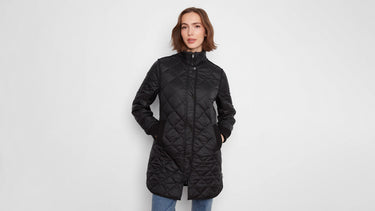
The difference between a quilted jacket and a puffer jacket starts at the seams, literally. A quilted jacket stitches a thin layer of insulation flat between the shell and lining, creating a smooth, structured pattern across the surface. A puffer uses wider, looser baffles that allow the fill to loft and expand, creating its rounded shape. Worth noting: a puffer is technically a style of quilted construction with deeper channels, a distinction most comparisons skip entirely.
Which One Is Warmer?
For raw warmth, the puffer wins. Higher loft traps more dead air space, which is what insulation actually does, and that makes a puffer the stronger choice for prolonged cold exposure. For the milder, shifting temperatures of a Canadian fall or a mild winter day, a quilted jacket provides comfortable warmth without excess bulk. The right answer depends on the conditions you are actually dressing for, not which jacket scores higher in theory.
Which One Looks More Polished?
A quilted jacket's flat profile layers cleanly over dresses, blouses, and tailored trousers without adding visual bulk to the silhouette, which is why it tends to read more polished in everyday and dressier settings. A puffer's rounder shape naturally leans casual, pairing most easily with denim, sneakers, and relaxed weekend looks. Neither is the wrong choice. They simply solve different styling goals, and the better question is which occasions you are most often dressing for.
Which One Is More Versatile Day to Night?
A quilted jacket moves from morning errands to an evening out without restyling, and that range is what makes it the stronger single purchase for most wardrobes. When comparing quilted jacket vs. puffer jacket by cost-per-wear across occasions, the quilted jacket covers more ground. A puffer is excellent at what it does but stays reliably in the casual lane. For one jacket that earns its place across the widest range of situations, quilted has the edge.
Down Fill vs. Synthetic Fill
Both quilted and puffer styles can use down or synthetic insulation, and the fill choice matters independently of the jacket style. Down is lighter and compresses well but loses its insulating ability when wet. Synthetic fill holds warmth even in damp or slushy conditions, which is a more practical advantage than fashion guides tend to admit for Canadian fall weather. Knowing the fill type before buying is worth the extra step, regardless of which silhouette you choose.
Which One Is Easier to Layer?
A quilted jacket's slimmer profile fits comfortably over a sweater or knitwear without pulling tight across the shoulders or restricting movement through the arms. A puffer's added volume can make layering underneath feel crowded, and wearing it beneath a heavier coat becomes genuinely awkward. For anyone who layers through the colder months rather than relying on a single outer piece, that practical difference is worth factoring in well before making a purchase decision.
Which One Packs and Travels Better?
A quilted jacket's flatter construction compresses more easily into a suitcase or carry-on than a high-loft puffer, which wants to take up space. For trips with shifting weather or limited luggage room, quilted is the more practical choice. A puffer earns its place specifically when the destination calls for serious cold, where the extra warmth justifies the extra volume. If you are packing for a variable itinerary, a quilted jacket earns its spot first.
Choosing Between Them for a Canadian Fall vs. Deep Winter
Early fall and mild winter days suit a quilted jacket well, since it handles a wide temperature swing without overheating the moment you step indoors. Once deep winter arrives, the choice between puffer and quilted jackets clearly tips toward puffer for genuinely cold days or extended time outside in the elements. Many Canadian wardrobes benefit from owning one of each, chosen for the conditions ahead rather than treating it as a single, permanent winner-takes-all decision.
Styling Either Jacket for Women Over 40
Both jacket types flatter when fit and proportion suit the wearer rather than chasing an exaggerated seasonal silhouette. A quilted jacket in a fitted or slightly relaxed cut pairs cleanly with tailored trousers for a polished, current look that does not require trend-tracking. A puffer in a cleaner, less voluminous cut avoids feeling overwhelming while still delivering real warmth on days that call for it, without sacrificing proportion.
Caring for Each Jacket Type
Both quilted and puffer styles generally do best on a gentle wash cycle with mild detergent, followed by full air drying so the fill does not clump or shift inside the baffles. Avoid storing either jacket tightly compressed for long stretches, since sustained pressure flattens insulation over time and reduces warmth in subsequent seasons. Loose storage, whether hung or folded without weight on top, keeps the fill performing through multiple years of wear.
Charlie B's Quilted and Puffer Jacket Collection
Charlie B's outerwear range carries both styles, from longer puffer jackets with extended coverage to shorter quilted styles built for easier movement. Pieces use a premium synthetic fill designed to insulate without adding bulk, finished with feminine shaping and stitching details rather than a purely sporty cut. Puffer styles in the collection also layer cleanly under a heavier coat when Canadian winter temperatures drop further than a single jacket can handle.
Conclusion
The quilted jacket vs. puffer jacket decision comes down to conditions and occasions rather than a universal winner. Quilted styles offer a polished profile, easier layering, and day-to-night versatility that covers most everyday situations. Puffer styles deliver superior warmth when the temperature drops far enough that raw insulation matters more than silhouette. For a Canadian wardrobe, the most practical answer is often both, selected for the day ahead rather than treated as a permanent single choice.