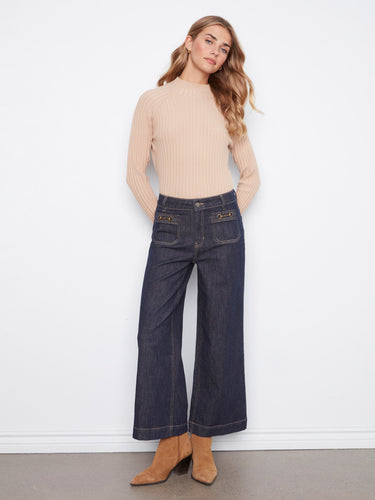



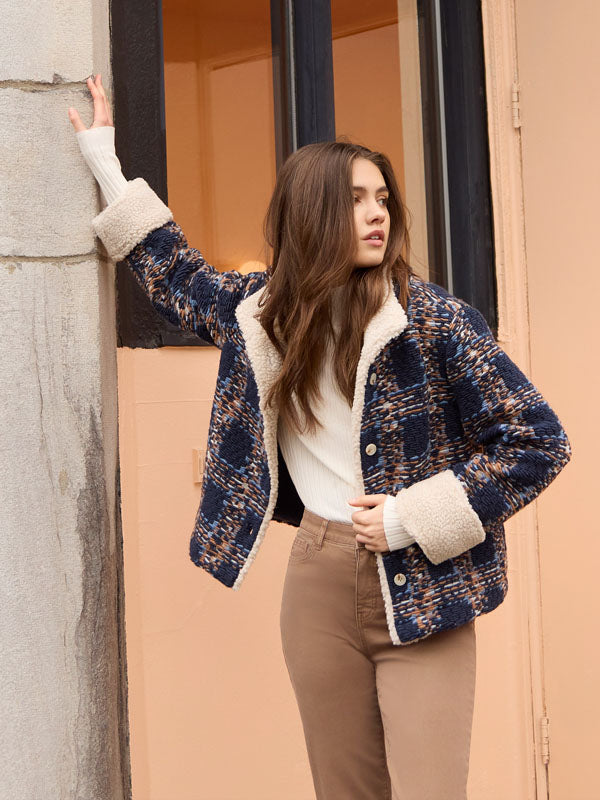
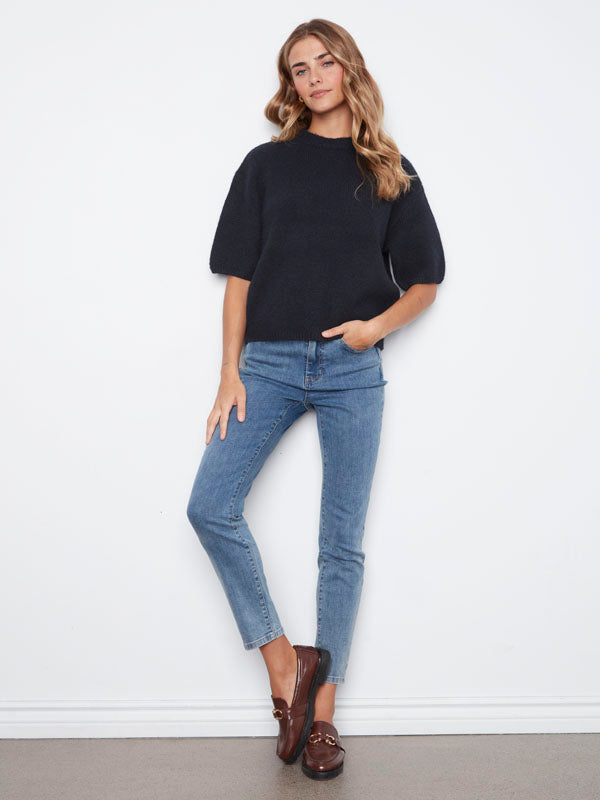
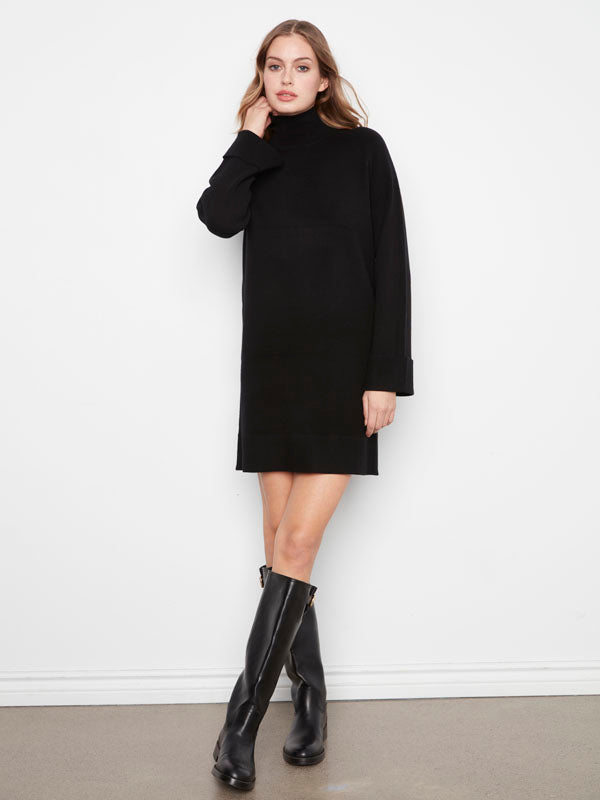

The linen shirt vs. linen blouse question comes up every warm season, and it's worth answering properly. Both are made from the same fabric, but what separates them is the construction, collar, and the silhouette each one is designed to create. This guide helps you decide which one your wardrobe needs.
The Core Distinction: Structure Versus Drape
A linen shirt gets its identity from construction: a defined collar, a structured button placket running the full length of the garment, and a straight hemline designed for tucking or clean wear. A linen blouse derives its character from drape and detail — varied necklines, softer shoulder treatment, and often a pull-over silhouette or tie closure. The fabric is identical in both cases. What differs is the architectural intention behind the cut, which is why the same linen can produce two completely different finished garments.
How to Identify a Linen Shirt
Look for three things: a defined collar, a button-front placket, and a relatively straight hem. The collar is the primary signal — point collar, spread collar, and mandarin band are all shirt collars, and they share the internal structure (interfacing, precision attachment) that sets a shirt apart from a blouse. Sleeves are typically finished with structured cuffs. Women's linen shirts: Canada shoppers most often return to this blueprint — a slightly relaxed fit that softens the tailored foundation without losing its clean line.
How to Identify a Linen Blouse
A linen blouse is defined as much by what it does not have as by what it does. No mandatory collar. No structured placket. The front opening, if present, is often partial or decorative rather than functional. Necklines range widely: V-neck, scoop, square, or keyhole. Many linen blouses are pull-over styles with a banded hem or gentle blousing at the waist. Sleeve treatments tend to be softer — a flutter, a slight gather, or a simple roll-up tab rather than a cuffed sleeve with buttons.
Which Is More Versatile for Summer?
For smart-casual occasions — a restaurant patio, a summer event, or a casual Friday when you want to look composed without being formal — a linen shirt delivers a clean, controlled summer silhouette that requires no additional styling. For relaxed or vacation dressing, a linen blouse offers more movement and a softer finish. The practical answer for most wardrobes is to own one of each. A linen shirt for women in Canada anchors your warm-weather smart-casual rotation; a women's linen blouse handles everything breezier, from a farmers market to a beach afternoon.
Collar and Neckline: The Quickest Way to Tell Them Apart
If the garment has a collar, it is almost certainly a shirt. Collars require internal structure — interfacing and a precisely attached stand — that defines a shirt's formality register and the way it sits on the shoulder. A blouse has a neckline rather than a collar: an opening that is shaped rather than constructed. Neckline framing is the design story of a blouse; collar architecture is the design story of a shirt.
When Linen Shirts and Blouses Overlap: The Button-Up Blouse

A button-up blouse has buttons, but the buttons are not the main story. The fabric is typically lighter, the collar (if present) is softer and more decorative, and the silhouette is cut for drape rather than structure. If the garment looks complete with minimal accessories and works equally well tucked or untucked, it functions as a blouse regardless of how it is fastened. The linen button-up shirt women reach for most often straddles this line by design, and that versatility is precisely what makes it reliable.
Fit Considerations for Women Over 40 and 50
For women over 40, collar choice matters more than most guides acknowledge. A point collar on a linen shirt adds definition and structure, particularly useful with narrower shoulder frames. A softer blouse silhouette works better when ease across the bust and torso is the priority. The right choice depends on your body and the occasion, not a universal rule. Linen blouses in a relaxed but not oversized fit often hit the ideal balance: feminine ease without losing a polished finish.
Styling a Linen Shirt: What Works and What to Avoid
A linen shirt earns its place through the tuck. A full tuck into high-waisted trousers or a high-waist skirt gives the most polished silhouette. A French tuck, where only the front is tucked in, and the back is left loose, paired with wide-leg jeans, reads as intentional and casual. The one pairing to avoid: wearing a structured linen shirt fully untucked over relaxed-fit bottoms, which reads undone rather than relaxed. with everything from denim to wide-leg trousers without adjustment. The white linen shirt options for women offer the most versatile base in any warm-weather wardrobe.
Styling a Linen Blouse: Getting the Drape Right
A linen blouse works best when the rest of the outfit provides structure. Pair a fluid blouse with a fitted bottom — a straight or tapered pant or a fitted midi skirt — so the volume lives in the top rather than everywhere. Avoid pairing a very fluid blouse with very wide-leg trousers unless a deliberate maximalist effect is the goal. Simple earrings and a clean pair of sandals are usually the only accessories a woman's linen blouse outfit needs.
Linen Blouses and Shirts for Canadian Summers
Canadian summers are high-contrast: warm and humid through July and August, cooler and unpredictable in May, June, and September. Both a linen shirt and a linen blouse work across this range with different layering logic. A linen shirt's collar and structure make it easier to layer on cooler mornings. The linen blouse women in Canada rely on through this season moves naturally between occasions, layering under a denim jacket for breezier evenings without needing a wardrobe change.
How Charlie B Approaches the Linen Shirt and Blouse Question

Charlie B's linen shirt designs, including the c4688 series, are built on a classic shirt foundation — defined collar, button-front, clean hem — that reads as put-together without being stiff. The women's linen blouses in the Charlie B range, including the c4588r and c4653 styles, lean into fluid necklines and relaxed construction. The c4672 button-up blouse sits deliberately between the two categories, borrowing structure from the shirt while retaining the softness of a blouse. Both silhouettes are available in the Charlie B linen shirts and blouses collections.
Conclusion
Choosing between a linen shirt and a linen blouse comes down to one question: do you need structure or ease? The linen shirt women in Canada reach for most of the time handles smart-casual occasions with a clean, tucked silhouette. A woman's linen blouse handles everything breezier and more relaxed. Both are warm-weather essentials, and most wardrobes benefit from having one of each. Explore the Charlie B linen shirts and blouses collections to find the silhouette that works best for you
Frequently Asked Questions
What is the main difference between a linen shirt and a linen blouse?
The fabric is the same — what differs is the construction. A linen shirt has a defined collar, a structured button placket, and a straight silhouette built on tailoring principles. A linen blouse has a shaped neckline rather than a collar, softer construction, and a silhouette designed for drape rather than precision. Both breathe identically in warm weather because the breathability comes from the linen fiber itself, not the garment's cut. The choice comes down to the outfit's occasion and whether you need the structure of a shirt or the ease of a blouse.
Can a linen blouse be worn as a shirt?
Yes, and the line between the two is genuinely blurry in many pieces. A button-up linen blouse — one with buttons down the front but a softer collar and more fluid drape — functions almost identically to a relaxed linen shirt in casual contexts. The practical test: does the garment look better when its structure is emphasized (tucked, belted, collar open) or when its softness is emphasized (untucked, loose, with minimal accessories)? The answer tells you which silhouette category it truly belongs to, regardless of what the label says.
Which is better for summer in Canada, a linen shirt or a linen blouse?
Both perform equally well in heat because the fabric drives breathability and moisture-wicking, not the silhouette. For Canadian summers specifically, the more useful question is versatility across conditions. A linen shirt handles more occasions through the shoulder season because its collar and placket read as put-together when temperatures are variable, and layering is needed. A linen blouse is the better choice for pure warm-weather leisure and vacation dressing. Many Canadian wardrobes hold one of each for exactly this reason, and both earn their place from May through September.
Do linen blouses wrinkle more than linen shirts?
Both wrinkle at approximately the same rate because the base fabric is identical. What varies is how the wrinkles read on each silhouette. On a structured linen shirt, wrinkles can undermine the clean, tailored line the garment is designed to create. On a fluid blouse, they often enhance the relaxed, textured look the piece is built around. Hanging both immediately after washing and allowing them to air-dry slightly damp before wearing reduces visible creasing far more effectively than ironing a fully dry garment.
What should I look for in a women's linen shirt in Canada?
Prioritize fabric composition, collar construction, and hem length relative to how you plan to wear it. A button-front linen shirt with a slightly longer back hem is the most versatile choice because it works tucked, half-tucked, or untucked without looking unfinished in any configuration. Fit across the shoulders is the single most important measurement to get right: linen does not stretch, so a shirt that pulls at the shoulder seam will not improve with wear. Check that the collar holds its shape after washing before committing to a style.