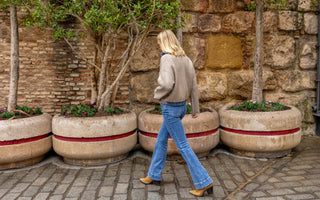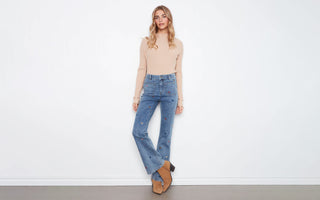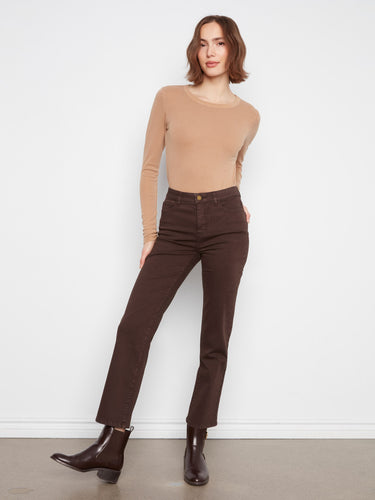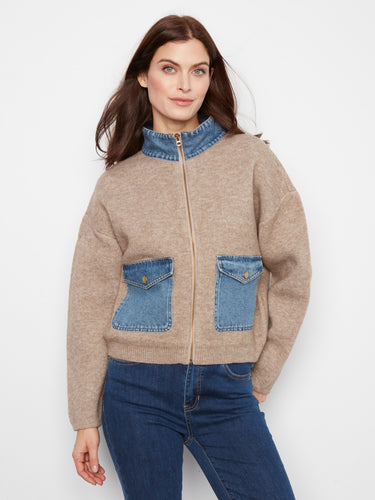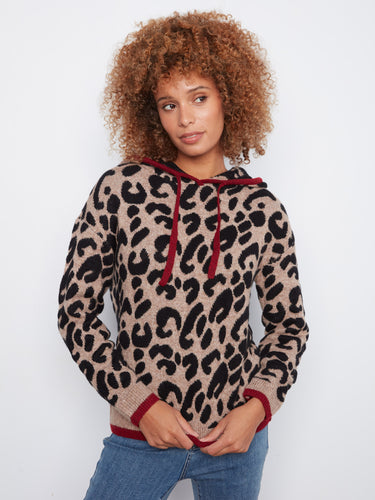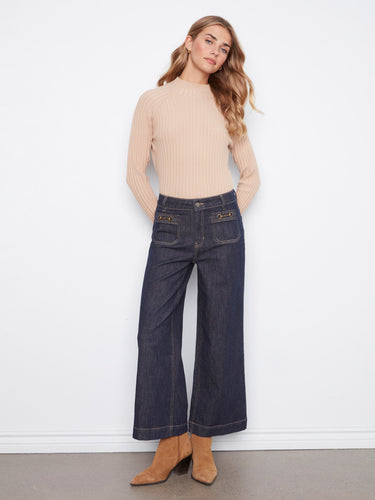



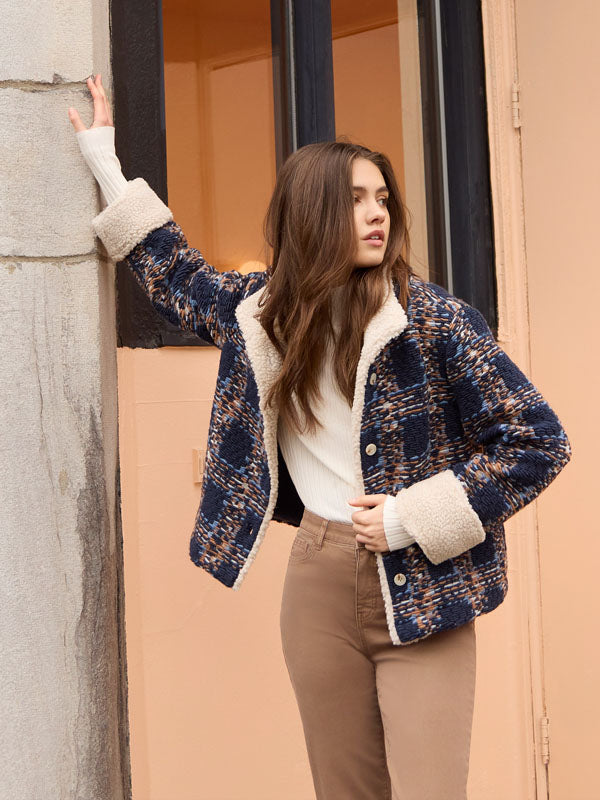
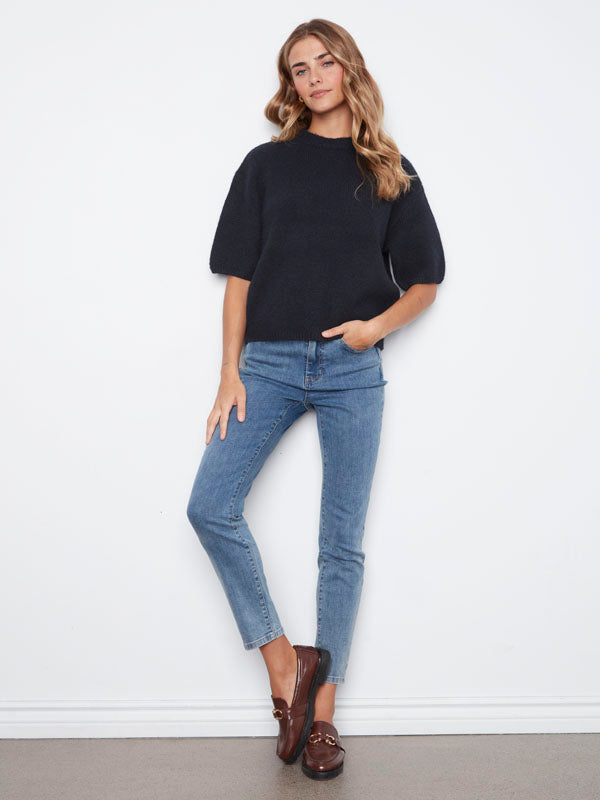
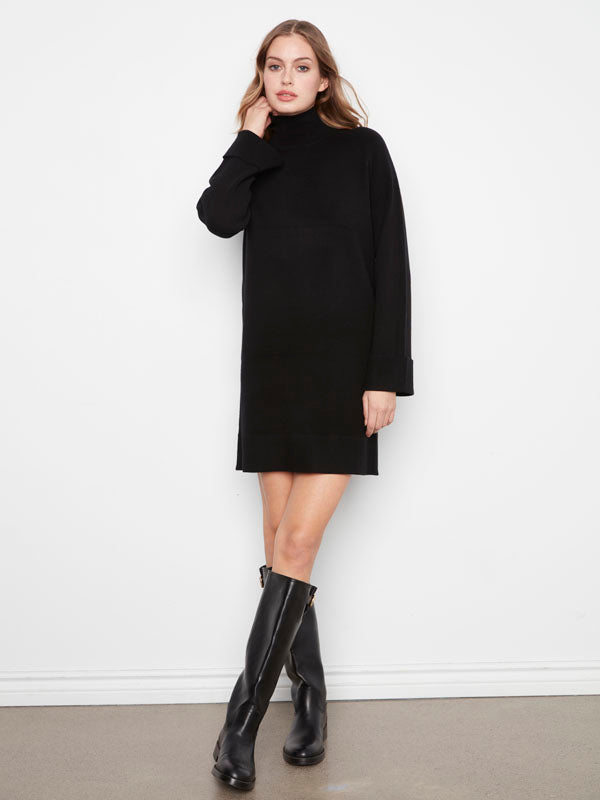
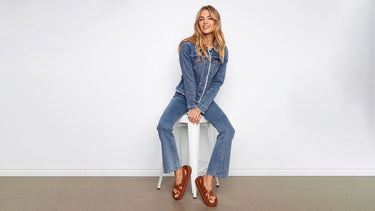
A spring jacket is the piece in your wardrobe that does more work than its profile suggests. It solves the temperature problem, completes an outfit that was one layer short, and makes the whole look feel considered without extra effort. Knowing how to style a spring jacket well means you can use it across more occasions, more outfit combinations, and more of the season than most women do. This guide gives you 10 complete outfit formulas built around the spring jacket styles women are reaching for in 2026, along with the underlying rules that make every combination work. Every idea here is anchored to real pieces so that inspiration moves directly into your wardrobe.
Why a Spring Jacket Is the Most Versatile Piece in Your Wardrobe
The spring jacket works harder than any other single piece in the seasonal wardrobe because it performs three functions at once. It provides warmth when you need it, anchors an outfit that would otherwise feel unfinished, and makes a style statement without requiring you to rebuild the rest of the look from scratch.
The "third piece" principle explains this clearly. Any basic outfit of a top and a bottom becomes a complete, considered look when the right jacket is added. The jacket is not an afterthought. It is the piece that makes the other two pieces feel intentional.
Spring 2026 is a particularly strong moment for jacket dressing because the silhouettes dominating the market are shorter and more deliberate. Cropped and hip-length spring jackets for women are taking priority over longer, bulkier outerwear, which means the jacket now serves as a styling element rather than just a cover-up.
10 Spring Jacket Outfit Ideas for Women

Outfit 1 — The Denim Jacket + Wide-Leg Jeans
Denim-on-denim is one of the most misunderstood combinations in spring dressing, and the rule that makes it work is straightforward: mix your washes. A dark denim jacket over light-wash wide-leg jeans reads as deliberately styled. The same jacket in the same wash as the jeans reads as accidental.
Add a blouse or V-neck top to break the denim mass with a contrasting texture. For wide-leg jeans specifically, the jacket length matters more than it does with any other bottom. A cropped or hip-length denim jacket keeps the wide-leg silhouette visible and proportionate. A longer jacket interrupts the vertical line the wide leg creates and flattens the whole look.
This is the combination that moves from grocery run to weekend brunch without any adjustment. The outfit works because each element is simple and the denim jacket is doing the styling work.
Best for: casual errands, weekend brunch, everyday spring wear.
Outfit 2 — The Linen Jacket + Linen Trousers
Tonal linen-on-linen is one of the cleaner outfit directions for spring 2026. Wearing the same fabric from top to bottom in a single colour family creates a monochromatic effect that looks considered without requiring any styling technique. The texture does the visual work.
Keep the top underneath lightweight, a camisole or a simple T-shirt, so the jacket remains the hero piece of the look. Adding a heavy or heavily textured top under a linen jacket creates bulk that the fabric's lightness cannot absorb.
Neutral shades produce the most cohesive result: natural, ivory, sand, and warm oat all work within this palette logic. The monochromatic linen outfit reads as elevated in a way that no amount of pattern-mixing would achieve.
Best for: lunch out, spring travel, warm-weather office settings.
Outfit 3 — The Denim Jacket + A Floral Midi Dress
The denim jacket over a floral midi dress is one of the most reliable spring outfit formulas precisely because the two pieces are working in opposite directions. The denim is casual and structured. The floral dress is feminine and fluid. Together, neither element overwhelms the other.
The jacket grounds the look and makes it daytime-ready without flattening the femininity of the dress beneath it. A fitted or slightly cropped denim jacket is the right choice here so the dress silhouette reads clearly from the hem down. A long or boxy denim jacket over a midi dress creates a proportion problem at the waist that is difficult to resolve.
Best for: weekend brunch, outdoor events, casual spring social occasions.
Outfit 4 — The Cropped Jacket + Straight-Leg Jeans + A V-Neck Top
The cropped jacket is the proportion piece of the spring wardrobe. It sits at the waist or just above, which means it defines the silhouette rather than covering it. That short hemline is the styling element on its own, and it works even on days when a heavier layer is not required.
Straight-leg jeans keep the silhouette clean and balanced under a jacket this short. The combination of a cropped jacket and wide-leg jeans risks an unresolved proportion problem at the hip that a straight-leg cut avoids. Straight jeans continue the vertical line the cropped hem sets up and let the proportion logic carry through from the shoulder to the ankle.
A V-neck top is the right choice under a cropped jacket because it draws the eye upward and lengthens the visual line from the waistline through the neckline. A crewneck under a cropped jacket tends to bunch at the shoulders and flattens the proportion the cropped cut is designed to create. The V-neck keeps the whole look open and elongated.
Best for: weekend plans, casual daytime outings, everyday spring styling.
Outfit 5 — The Linen Jacket + Dark-Wash Jeans + A White Button-Down
Three neutrals in combination require no styling effort and produce one of the most reliable spring looks in the wardrobe. A white button-down under a linen jacket is a classic layering formula because the contrast between the crisp white shirt and the soft linen texture creates visual interest without requiring anything else.
Dark-wash jeans add the polish that takes this outfit beyond casual. In a medium or light wash, the same combination reads as weekend. In a dark wash, it is appropriate for a workday or a coffee meeting without any adjustment.
Rolling the sleeves of the linen jacket is the one styling note that matters: it softens the look and signals intention rather than necessity.
Best for: workdays, coffee meetings, casual Friday environments.
Outfit 6 — The Denim Jacket + Pull-On Trousers + Printed Top
Pull-on trousers and a denim jacket is an underrated combination. It is comfort-forward without reading casually, and it works because the denim jacket provides the structure that the relaxed trouser fit does not. The result is a polished silhouette achieved without any sacrifice in comfort.
Let the printed top be the focal point. A classic indigo or black denim jacket recedes behind a bold print and gives it the space to register without competition. Choosing a statement jacket in this outfit would create a conflict with the printed top, and neither piece would win.
Best for: everyday wear, travel days, low-key social outings.
Outfit 7 — The Utility Jacket + Cropped Jeans + Crochet Top
The utility jacket brings structure to a warm-weather casual look without shifting its register toward formal. It is the jacket that takes a crochet or lightweight knit top from beach-adjacent to intentional, with enough shape at the shoulder and waist to anchor softer pieces underneath.
Cropped jeans show a hint of ankle, which balances the hip-length utility line. The visual logic is a structured piece on top, a shorter piece below, with the ankle as the clean break that separates the two. A crochet or textured knit top adds warmth and depth without adding weight, and the utility jacket's clean lines keep the texture of the knit reading as deliberate rather than loose.
Best for: late spring daytime outings, outdoor markets, relaxed weekend styling.
Outfit 8 — The Denim Jacket + A Midi Skirt or Skort
A denim jacket paired with a midi skirt softens the formality of the skirt and pulls the whole look into daytime territory. The casual construction of the jacket offsets the length and structure of the midi, creating balance between the two pieces rather than one dominating.
Skorts are a practical choice that pair particularly well with women's casual spring jackets. They offer the silhouette of a skirt with the comfort and movement of shorts underneath, and the denim jacket complements that comfort-forward intention.
Keep the footwear simple. Sneakers or ballet flats complete this combination without competing for attention. Adding heels shifts the register out of where this outfit naturally belongs.
Best for: spring weekends, park visits, casual errands with a put-together feel.
Outfit 9 — The Embroidered Jacket + Dress + Ankle Boots
An embroidered jacket layered over a lightweight dress is the formula that takes a simple spring outfit into editorial territory. The embroidery does the decorative work, which means the dress underneath can stay uncomplicated and the jacket carries the visual interest on its own.
Ankle boots anchor the look and add enough structure to hold the jacket and dress combination together. Without a boot or a structured shoe, the same outfit can float visually against the softness of the dress.
A slightly relaxed fit works best for this combination. It allows the dress to fall naturally underneath without the hem pulling or bunching, and a softer shoulder line keeps the embroidery reading as the focal point rather than competing with a sharply tailored silhouette.
Best for: spring evenings out, daytime events, occasions where a dress alone feels underdressed.
Outfit 10 — The Linen Jacket + Floral Print Top + White or Light-Wash Jeans
White jeans and light-wash denim are the clearest visual signal of a wardrobe that has fully committed to spring. They look best when they are anchored by something that gives the paleness of the denim a context, and a linen jacket does exactly that.
A floral print top under a linen jacket delivers an editorial quality without effort. The floral provides colour and movement, the linen jacket provides structure and restraint, and the light-wash jeans ground the whole look in a relaxed but intentional register.
This is the outfit that moves from a daytime spring gathering to dinner without needing a change. The linen jacket takes it into the evening as the temperature drops.
Best for: spring gatherings, dining out, warm-weather social events.
The Styling Rules That Make Every Spring Jacket Outfit Work

Match Jacket Length to Your Bottom Silhouette
Jacket length relative to the bottom you are wearing is the proportion variable that most outfit failures trace back to. The rule is consistent: the jacket's hem should create visual proportion with the widest point of your bottom half.
For wide-leg or flare bottoms, a cropped or hip-length jacket is the only option that works. A longer jacket cuts through the leg line at a point that reduces the silhouette's impact and creates an unresolved proportion at the hip. The wide-leg format reads best when the hem of the jacket sits above the widest point of the trouser.
For slim or straight-leg jeans, the choice is more flexible. Both cropped and hip-length jackets work because neither creates a proportion conflict with a slim silhouette below.
For midi or maxi skirts, a cropped jacket creates the most flattering balance. A longer or utility-length jacket risks swamping the skirt silhouette entirely, particularly when the skirt carries volume of its own.
How to Layer a Spring Jacket Without Adding Bulk
The base layer is where most spring outfit layering problems start. Chunky sweaters, heavy knits, and thick turtlenecks under a spring jacket add visible bulk at the shoulder and the hem that the jacket cannot absorb. The base layer for spring jacket outfits should be lightweight: a blouse, a camisole, a fine-knit top, or a fitted long-sleeve in a thin jersey.
The "one thumb of visible layer" principle is useful here. If you can see a centimetre of your top beneath the jacket at the hem, the layering reads as intentional. If the jacket and the top are perfectly aligned or the top disappears completely, the layering reads as accidental.
Tuck the top in when wearing a structured linen jacket or a utility jacket. Untucked tops under structured jackets create visual clutter at the waistline that disrupts the clean proportion line the jacket is designed to produce. Light spring jackets for women perform best over slim layers that leave the jacket's silhouette uncompromised.
How to Choose the Right Color for a Casual Spring Jacket
The colour dynamic for spring jacket outfits follows a straightforward principle. A neutral jacket over a patterned or colourful outfit allows the outfit to breathe. A statement jacket in a bold or printed fabric needs a neutral outfit underneath so the jacket can function as the focal point.
The most consistently reliable pairing in spring dressing is a classic indigo denim jacket over earth tones, florals, or white. Indigo is neutral enough to recede when needed and warm enough to complement spring palettes without conflict.
Linen jackets in natural, ivory, or sage green slot into virtually any spring palette because they carry the warmth and texture of the season without imposing a strong colour statement. They read as elevated without requiring the rest of the outfit to be edited around them.
When to Reach for a Denim Jacket vs. a Linen Jacket
The practical distinction between these two jacket types comes down to temperature and occasion assessed together rather than separately.
A denim jacket is firmer and slightly heavier, which makes it the right choice for cooler spring mornings and more casual outfit combinations. It performs well at the casual end of the styling spectrum and transitions easily across dresses, jeans, trousers, and skirts.
A linen jacket is breathable and structured without weight, which makes it better suited to warmer spring afternoons and occasions where the register is slightly smarter than the denim jacket supports. It reads as intentionally dressed up without requiring formal pieces beneath it.
Dressing for the Canadian Spring: What a Spring Jacket Actually Needs to Do
Canadian spring is genuinely different from the spring that most fashion content assumes. A temperature swing of 15 degrees between an 8am school run and a 2pm errand is not unusual in March, April, or May across most of the country. That range is not an edge case. It is the typical spring day, and it requires a jacket that functions across that range without needing to be swapped out mid-afternoon.
A spring jacket in Canada is not an optional styling addition. From March through May, and often well into June evenings, a jacket is a functional requirement. The question is which type provides the right combination of warmth, breathability, and packability for a day that changes as it progresses.
What to look for in a Canadian spring jacket is not minimum insulation but rather the right balance: lightweight enough that you are not overheating by noon, structured enough to provide genuine warmth at 8am in single-digit temperatures. A jacket that satisfies only one of those conditions is not a spring jacket. It is a winter jacket or a summer layer in the wrong season.
The jacket types that serve Canadian spring most reliably are the denim jacket as a year-round transitional layer, the linen jacket for breathable structure on warmer days, and cropped or utility silhouettes for lightweight layering when the morning chill is mild. Light spring jackets for women are not the same as thin jackets. Breathability and packability are as important as warmth level, because the jacket that goes into a bag at noon needs to come out of the bag at 6pm and still do its job.
How Charlie B's Spring Jackets Fit into Your Everyday Wardrobe
Charlie B is designed in Montreal for the week in the wardrobe calendar when the heavy coat goes into storage and something needs to fill the gap without making the whole look feel underdressed. That specific transition point is exactly what the spring jacket collection was built around.
The denim jacket in Charlie B's range is the everyday anchor. It pairs with the majority of the outfit ideas in this guide and works across the full Canadian spring timeline from early March through warm June days. It is the jacket that does not require advance planning because it fits every casual and smart-casual situation you are likely to face.
The linen jacket serves the smarter end of the spring jacket spectrum. For the woman who wants a polished, elevated look without the weight or formality of a structured coat, the linen jacket is the practical alternative. It is breathable, layerable, and appropriate for occasions where a denim jacket would be too casual.
These are pieces designed for women who need their clothes to work across the realities of actual days, not editorial styling conditions. Montreal-based design means the fit decisions, the fabric weights, and the proportions reflect how Canadian women move through their days.
Frequently Asked Questions
What Is the Best Way to Style a Spring Jacket for Everyday Wear?
The simplest and most reliable everyday formula is jeans, a lightweight top, and a spring jacket that adds the third layer. Keep the base outfit simple and let the jacket do the styling work. A plain T-shirt and dark-wash jeans become a complete, considered look as soon as a denim or linen jacket is added. The one proportion note that matters most: match the jacket length to the bottom silhouette. A hip-length jacket over slim jeans works in every casual setting you are likely to encounter, and it requires no further adjustment to feel intentional.
What Spring Jacket Styles Are Women Wearing in 2026?
Cropped and hip-length silhouettes are the dominant lengths this season, across every fabrication. Longer, more structured outerwear-length jackets have moved toward transitional fall territory, and the spring jacket market has shifted toward shorter, lighter profiles. Denim and linen are the two strongest fabrications for everyday spring jacket outfits, with cropped, utility, and embroidered variations bringing proportion and detail interest to outfits that might otherwise read as flat. Lighter, structured jackets are broadly replacing heavier outerwear across most outfit categories, reflecting a styling sensibility that prioritises proportion and intentionality over coverage.
How Do I Wear a Spring Jacket Over a Dress?
A denim jacket over a dress is one of the most dependable spring outfit formulas. The rule on fit is consistent: choose a cropped or hip-length jacket so the dress silhouette reads clearly below the jacket hem. For longer midi or maxi dresses, keep the jacket shorter to create a proportion contrast. For shorter dresses, either jacket length works because the full leg is visible regardless. Avoid a long or boxy jacket over a midi dress, as it competes with the dress length and removes the silhouette's clarity. For evening occasions, a linen jacket over a dress is the more refined choice.
What Is the Difference Between a Light Spring Jacket and a Regular Jacket?
A light spring jacket is specifically engineered for shoulder-season conditions: less insulation, more breathability, and better packability than a regular outerwear jacket. The distinction is not only about weight. Construction, drape, and the ability to compress into a bag matter as much as the warmth level. A thin jacket and a light spring jacket are not the same thing. In the Canadian context, a light spring jacket should handle 10 to 15°C mornings comfortably without adding visible bulk that makes the layered outfit look heavy. It should also be lightweight enough that you do not overheat by midday when the temperature rises.
Can I Wear a Linen Jacket When It Is Still Cold in Spring?
Yes, with the right base layer. A linen jacket worn over a fine-knit top or a long-sleeve blouse extends its seasonal range into cooler spring days in a way that a camisole alone would not support. On mornings below 12°C, a fitted sweater underneath a linen jacket provides enough insulation to make the combination genuinely warm without creating visible bulk through the jacket's shoulders. Linen's breathability means the same jacket does not overheat by afternoon when temperatures rise, which is what makes it one of the most genuinely transitional fabrics for spring. It adapts to the day rather than requiring you to adapt your wardrobe to it.